Carl-Johan Rosén
At the Catastrophy-Point →→
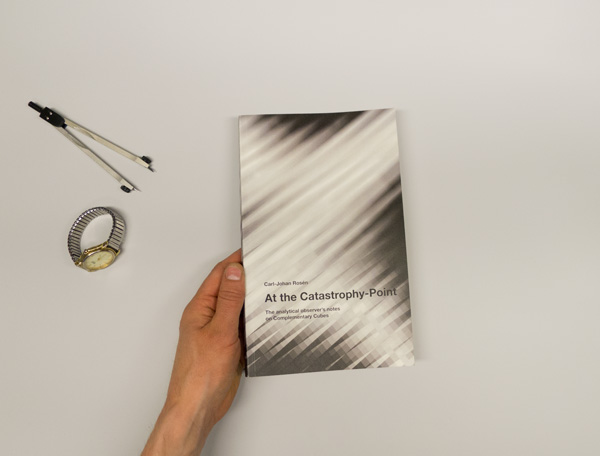 The book At the Catastrophy-Point: The analytical observer's notes on Complementary Cubes presents my artistic and media archeological analysis of the film Complementary Cubes
The film Complementary Cubes presented itself to me as I was looking for some kind of visual material generated from code. Manfred Mohr wrote a computer program in 1974, and that program created Complementary Cubes. In this book I use it as a starting point for an artistic and media archeological exploration of a field between surface and code, between the product of a computer program and the programming code. My first intention was to use Complementary Cubes merely as an example that would initiate a general discussion of a field between surface and code. But as my research evolved, my interests gravitated toward the main topic of Mohr’s work: the cube, and my work became inseparable from his. I have sought the code that Mohr wrote and I have tried to find
The catastrophy-point, according to Mohr, is where the illusion of a three-dimensional cube collapses into a visual impression of lesser dimensions. I build on this notion of collapse into different dimensions to acknowledge that already the digital video is dependent on an illusion, and threatens to collapse into digital material of other dimensions.

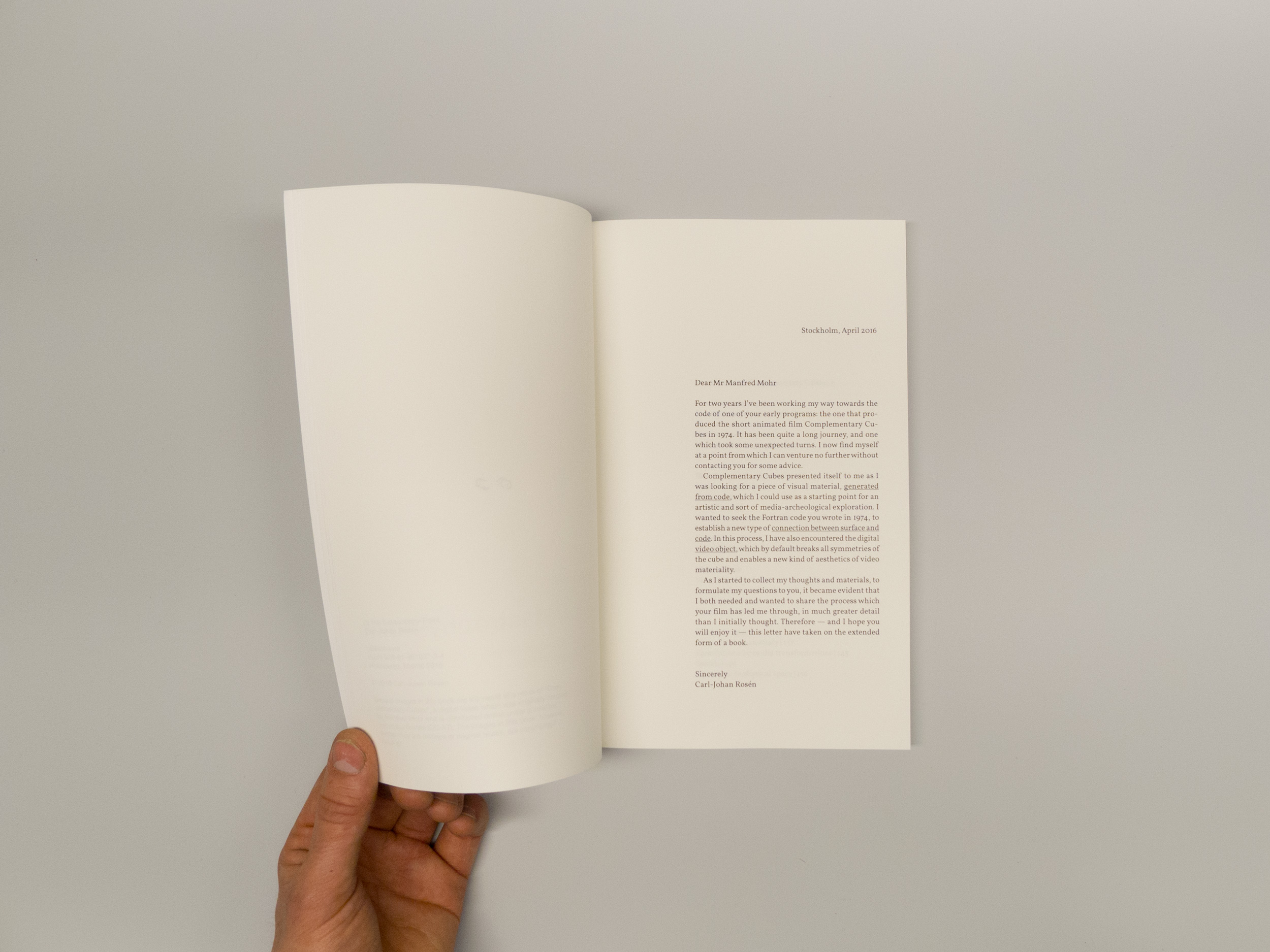
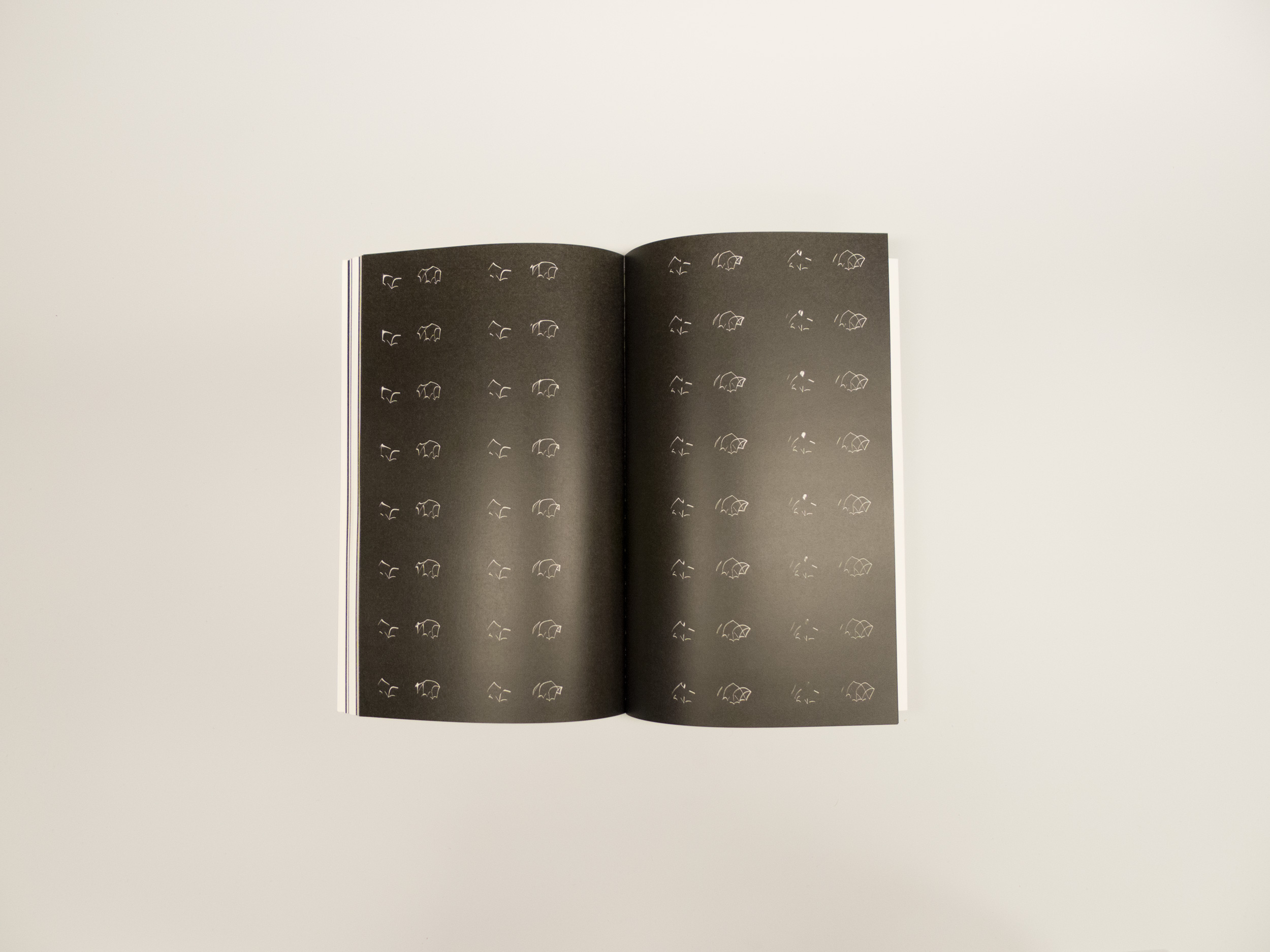
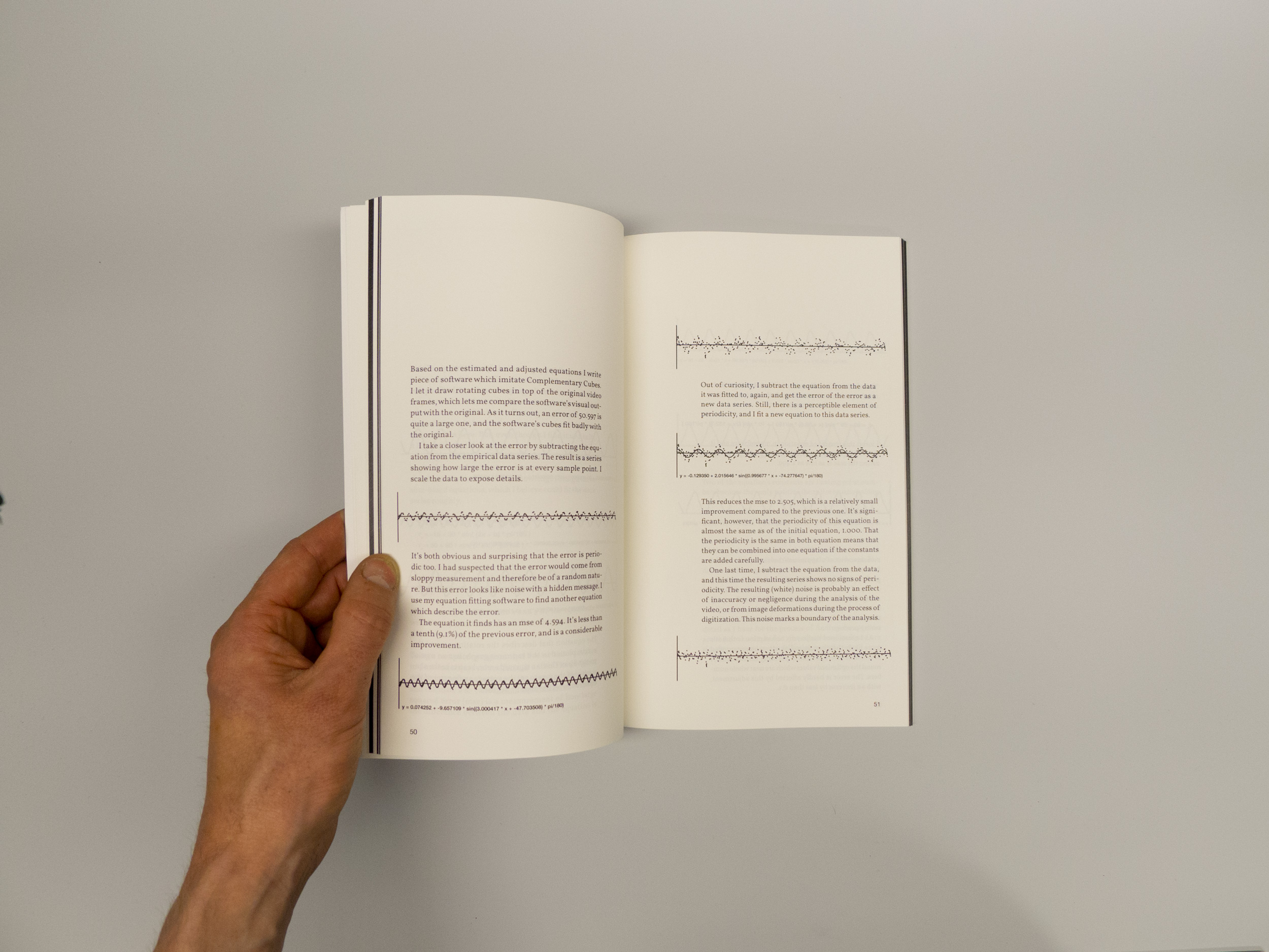
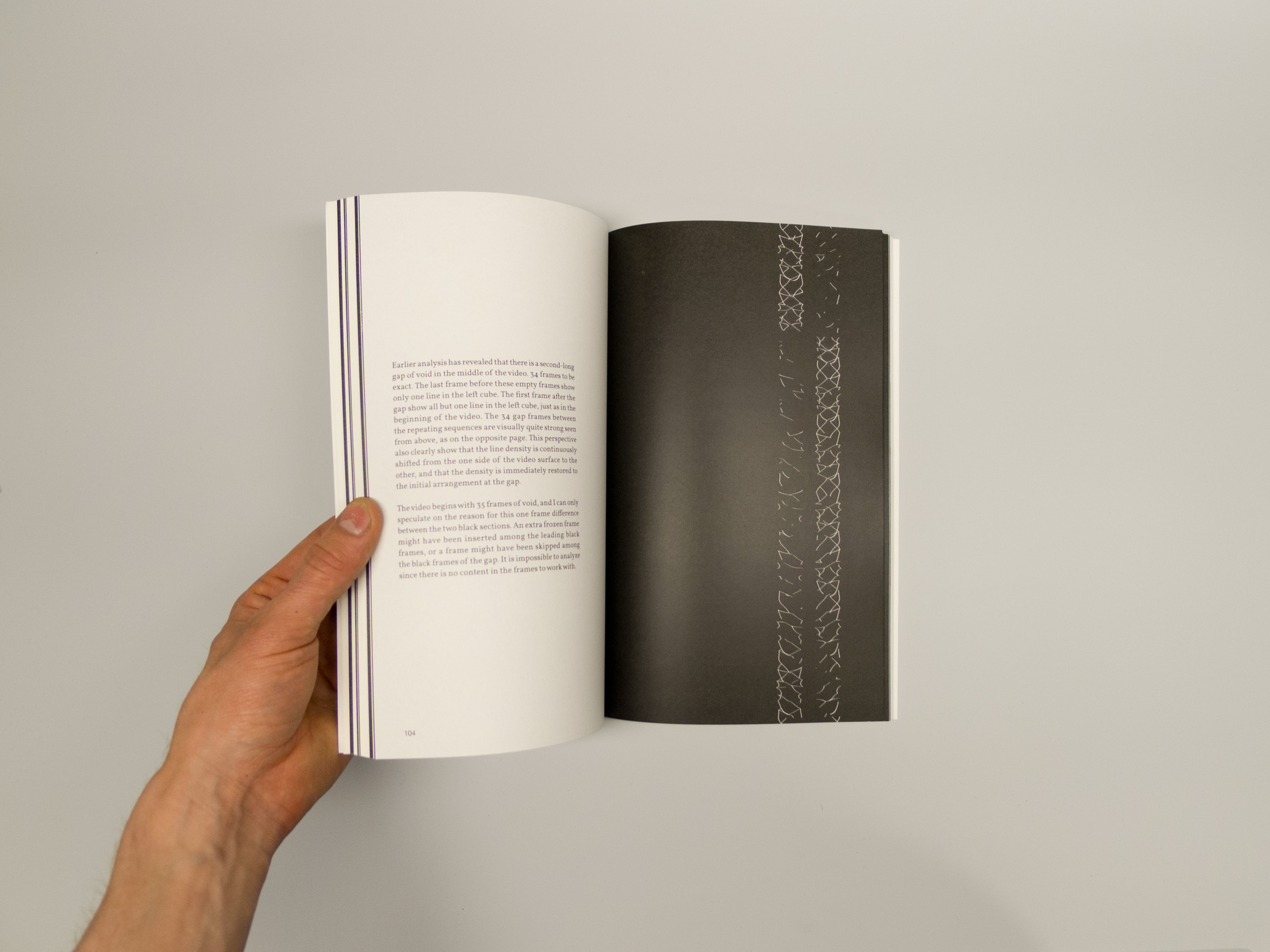
Preview
Read the first chapter as a pdf.
Order
The book can be ordered online directly from the publisher.
Code
Some of the code written for this project is published on GitHub.
Word Embeddings →→
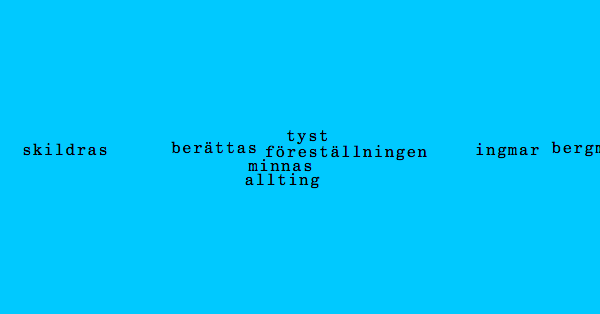

Word embeddings are the contemporary machine's way of understanding human language. They are used for text analysis and composition, language modelling and text search, in automatic recommender systems and in many other contexts involving human language.
But how do machines perceive human language and text? Can humans even begin to understand?
In this series of explorations within the high-dimensional spaces of language representations, words are composed in two-dimensional surfaces to give hints at how these 50-, 100-, 300-dimensional spaces represent human language.
Presented
− Robopoetics, Stockholm 2018.
I speak myself into an object →→
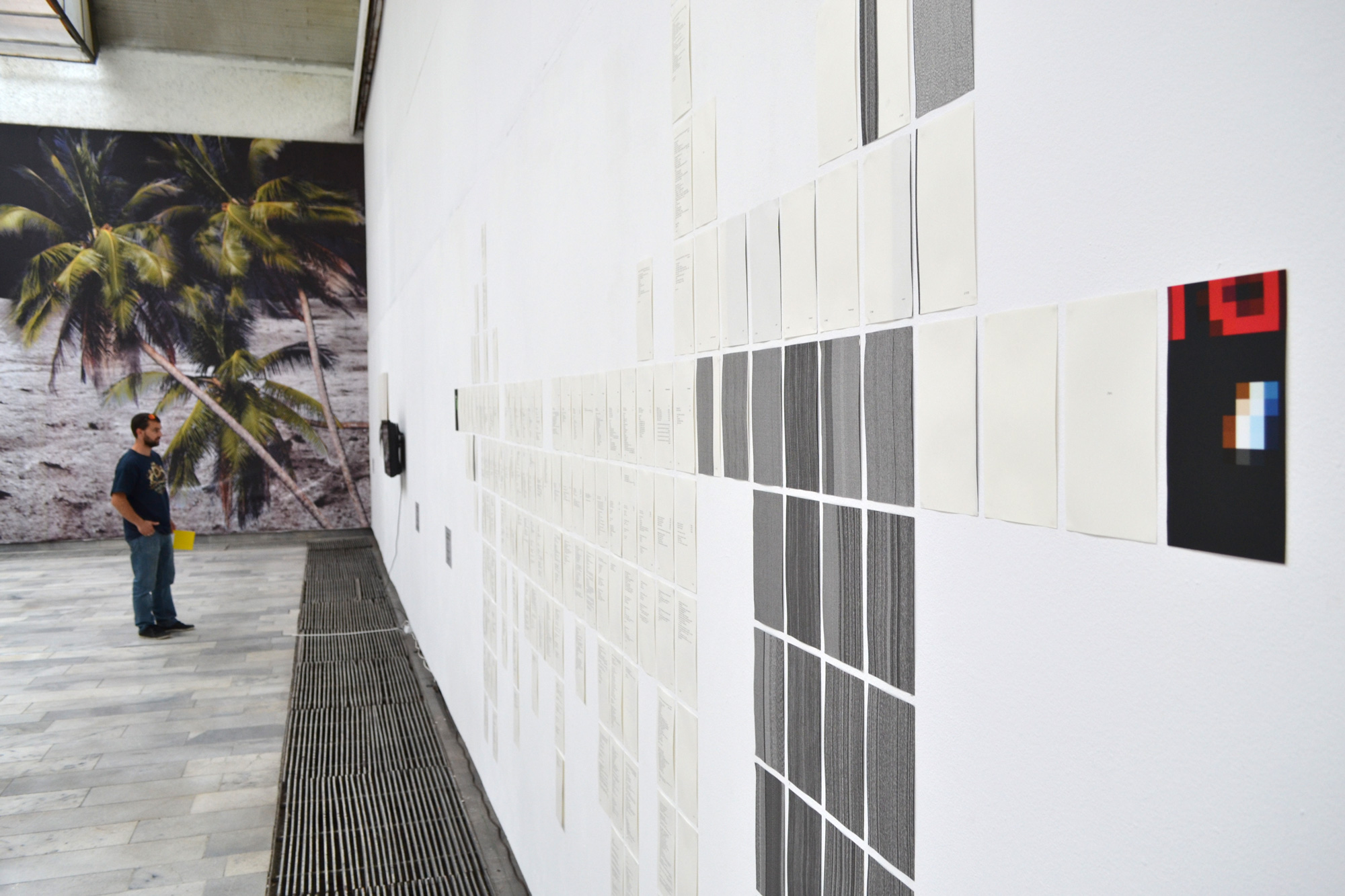
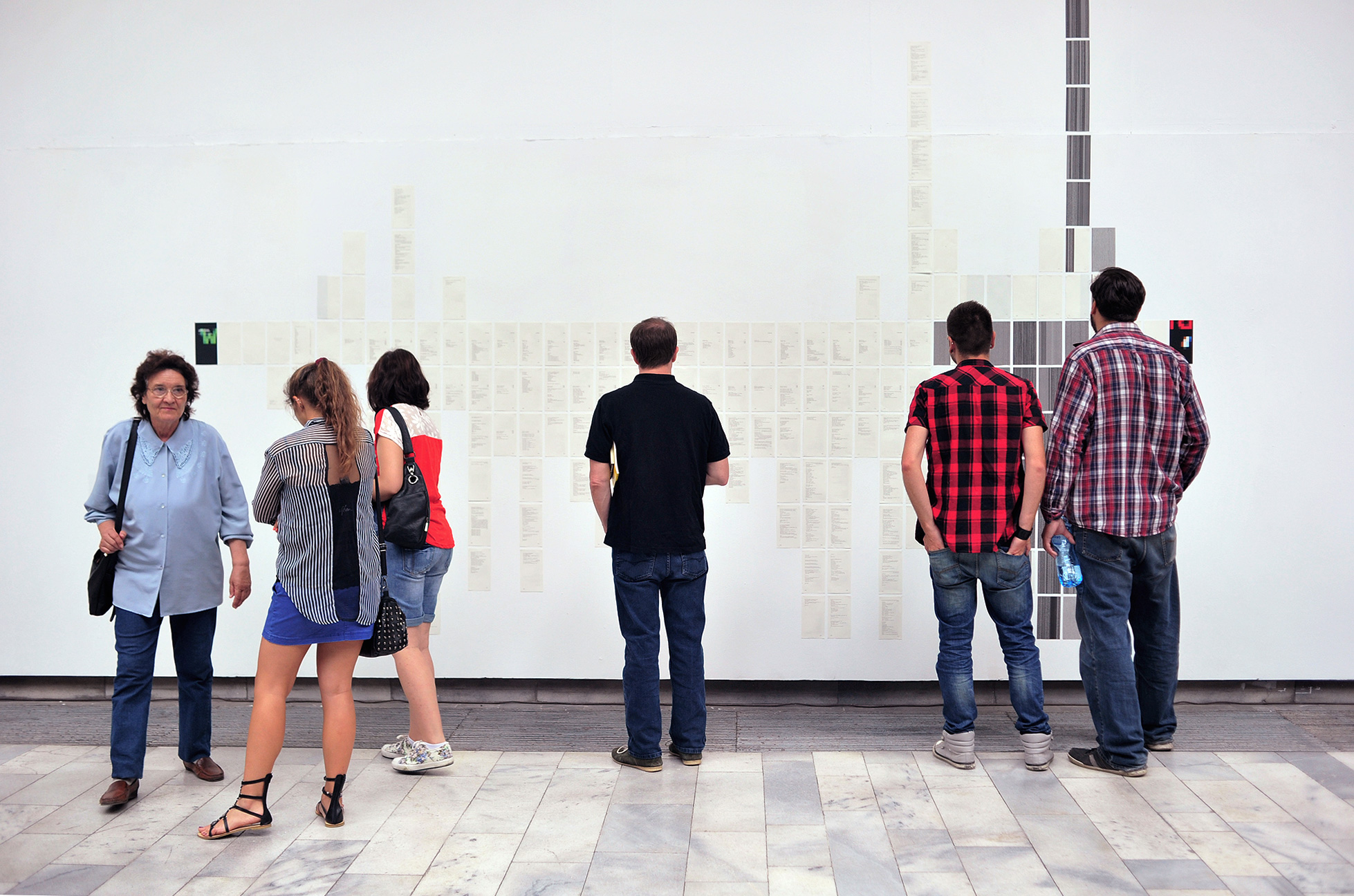
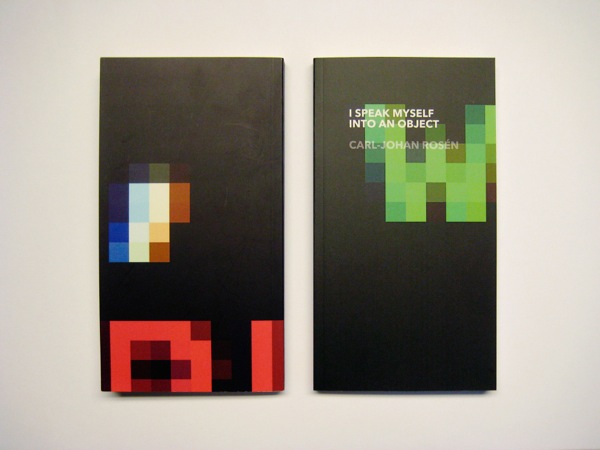 The book I speak myself into an object is also a computer program by the same name. They contain each other. The book contains the computer program as text spread over its pages. The computer program contains the book as the potential result of its process: when the program is run it lays out its own code as a book.
Apart from giving form to and presenting the code/text, the program create all paratext including the list of content, pagination, cover and references. The references are code libraries
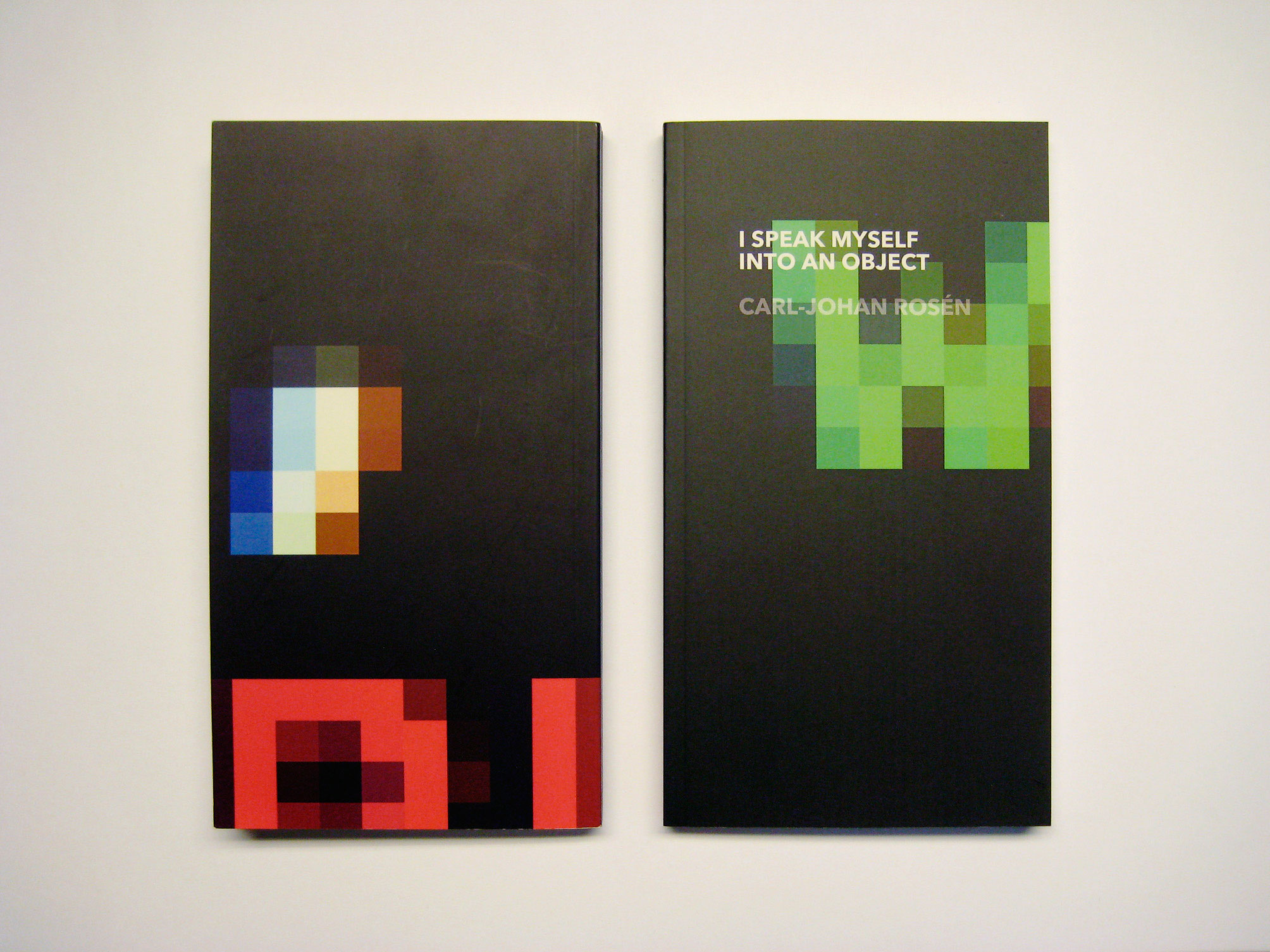
The story of the cover is presented in the chapters Cover and ScreenTools. There it is told how the program chooses a small area of the screen on the computer running the program, and expands it. How the title and name of the author are positioned on the spine and front through a number of operations. Additionally how a thin gray surface cover what will become the spine, and how a light noise is applied to the whole cover.

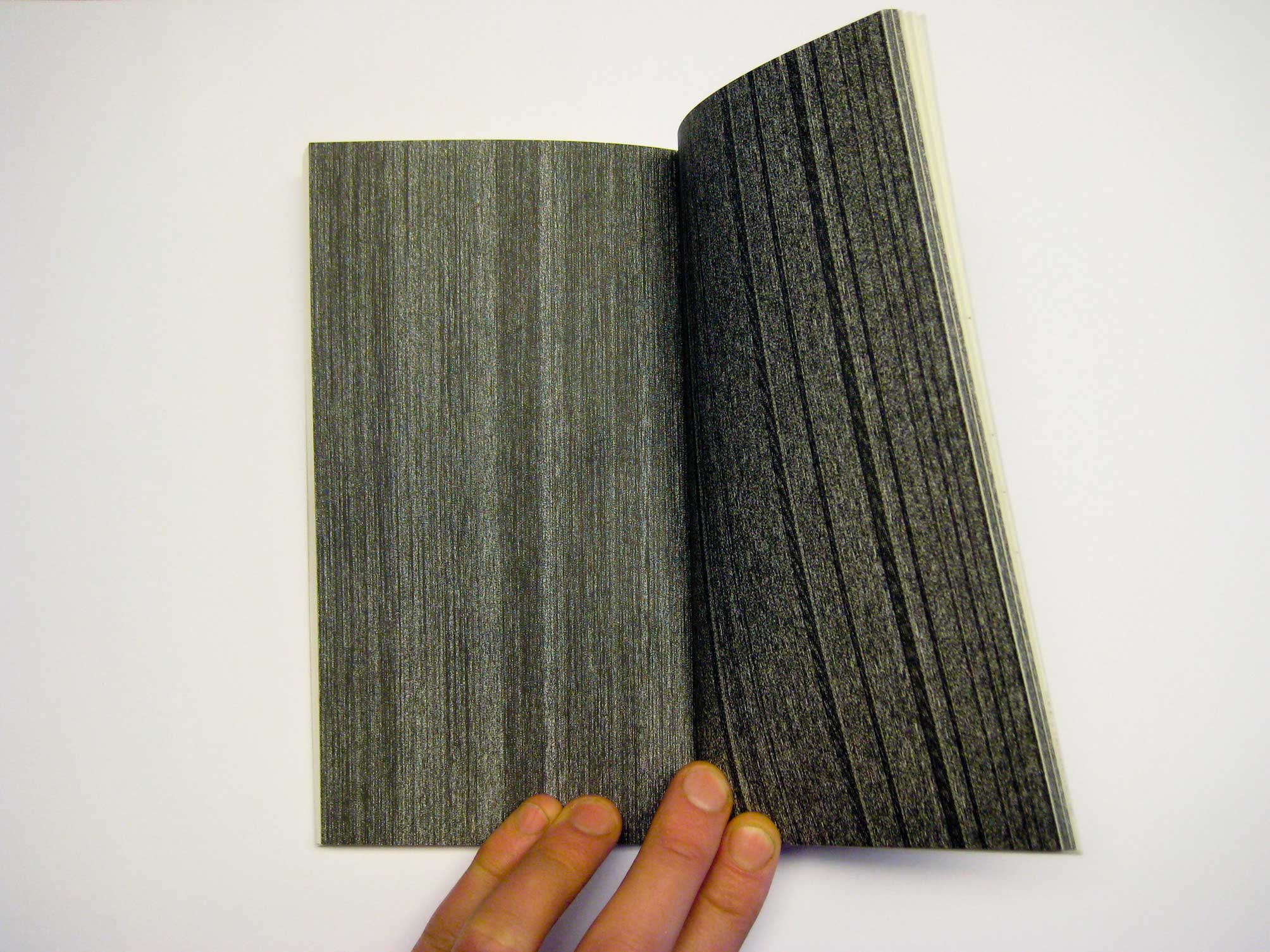
All of this is revealed to the reader. The text speaks of nothing but the construction of the book, but it is written in a language rarely seen in print: C++. It is one of the most popular programming languages, read and written by thousands around the globe. Precisely read and written, because it lacks common pronunciation. It is primarily a written language, and it is through digital writing that its potential as agent and transformer is considered to be realized. As spoken language or analogue writing (as in I speak myself into an object) the language is shifted outside the typical context. When the text is read (both quietly and aloud) we have the opportunity to understand the code differently, beyond efficiency and function.
Order
The
Presented
− Being Post-Digital / One Design Week, Plovdiv, Bulgaria 2014.
− Digital Art Center, Kista 2014.
− Artoteket as travelling exhibition by Konstfrämjandet, Varberg och Karlstad 2014.
− Artoteket på Tensta museum, Stockholm 2013.
− Sommer i nORD, Saeby 2013.
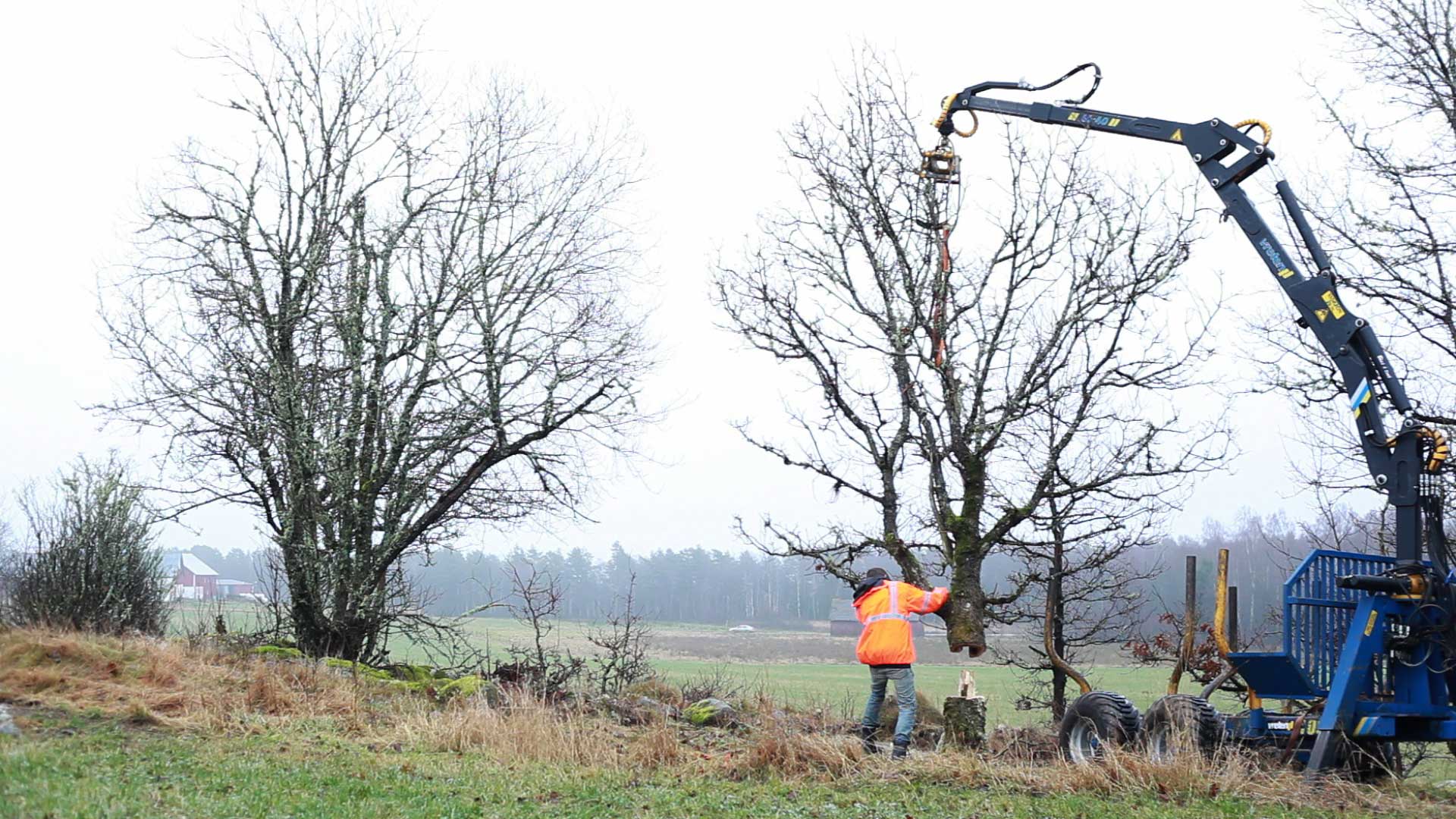
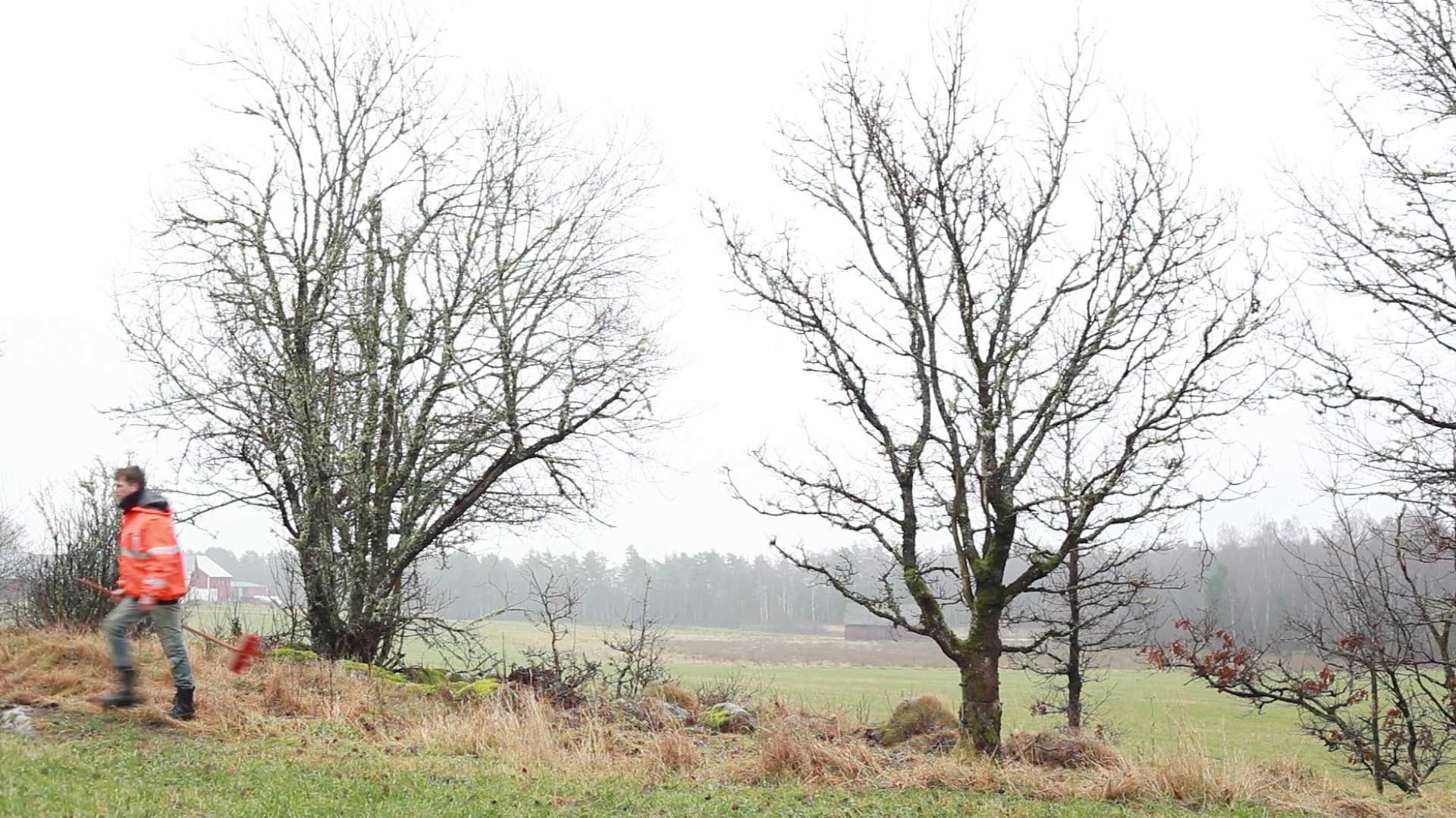
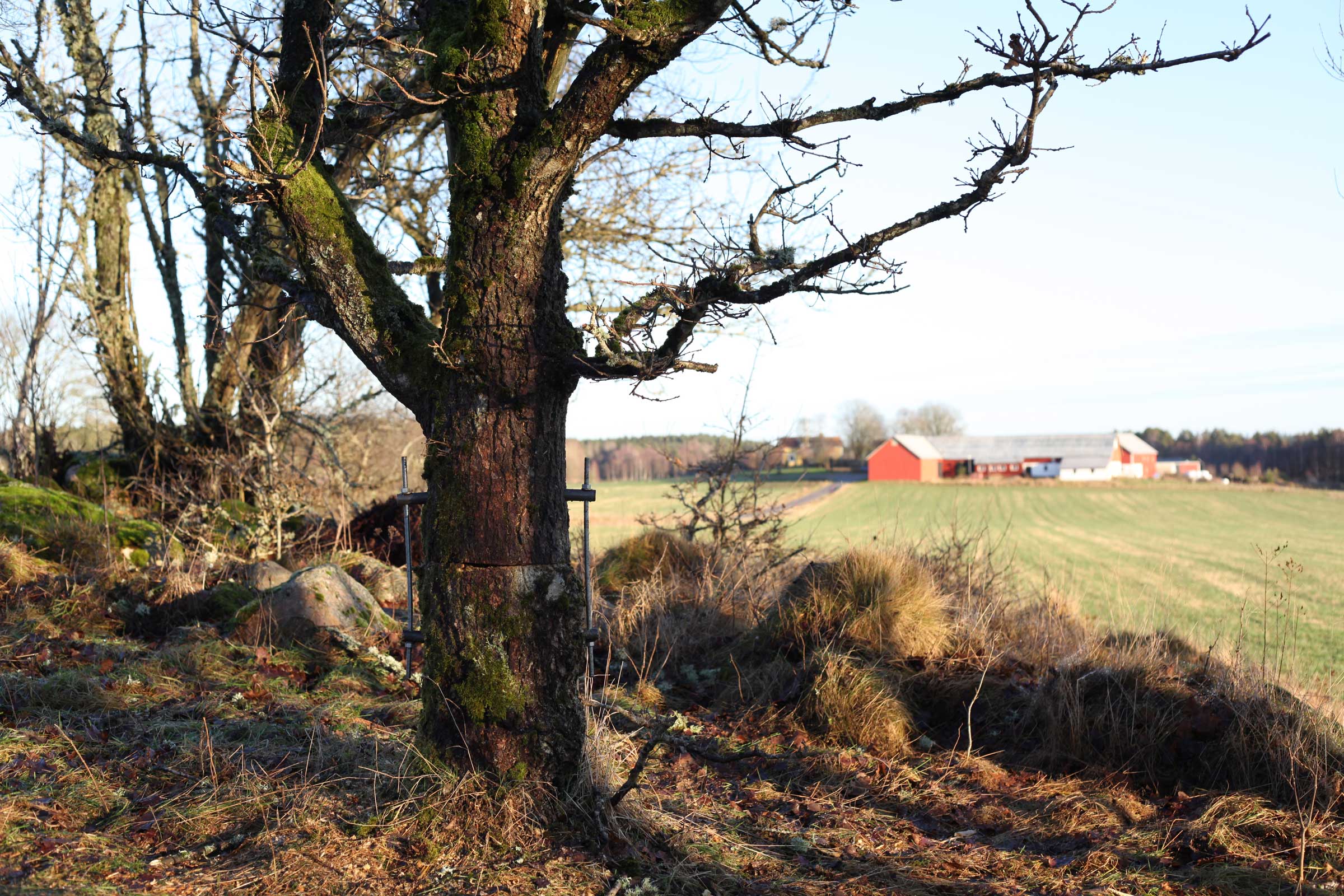
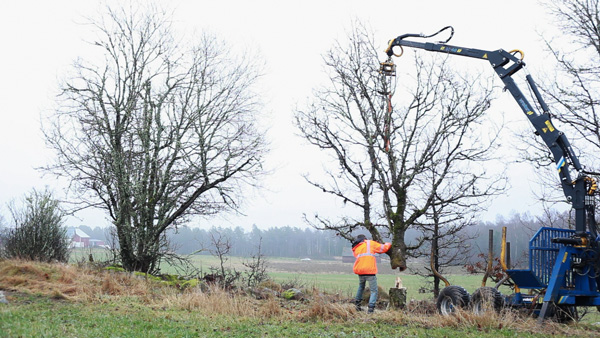
En ek i slänten ner mot åkern har kapats en knapp meter över marken, och lagats igen. För att trädet skall kunna leva vidare har stor omsorg lagts på att sammanfoga de två snittytorna så att barken kan fortsätta transportera vatten upp till trädets krona. Återupprättandet av trädet skedde julen 2011. Knappt tre år senare syns inga tecken på liv. Det finns dock hopp om att trädet en vår åter skall knoppas.
Trädskulpturen syns från den lilla grusvägen mellan Ulvestorp och Fullestad.
Detta är försök nummer två. Försök nummer ett genomfördes i skogen utanför Malmberget och är odokumenterat.
Becoming-Bricoleur: Hope as Transdisciplinary Process →→
↓↓
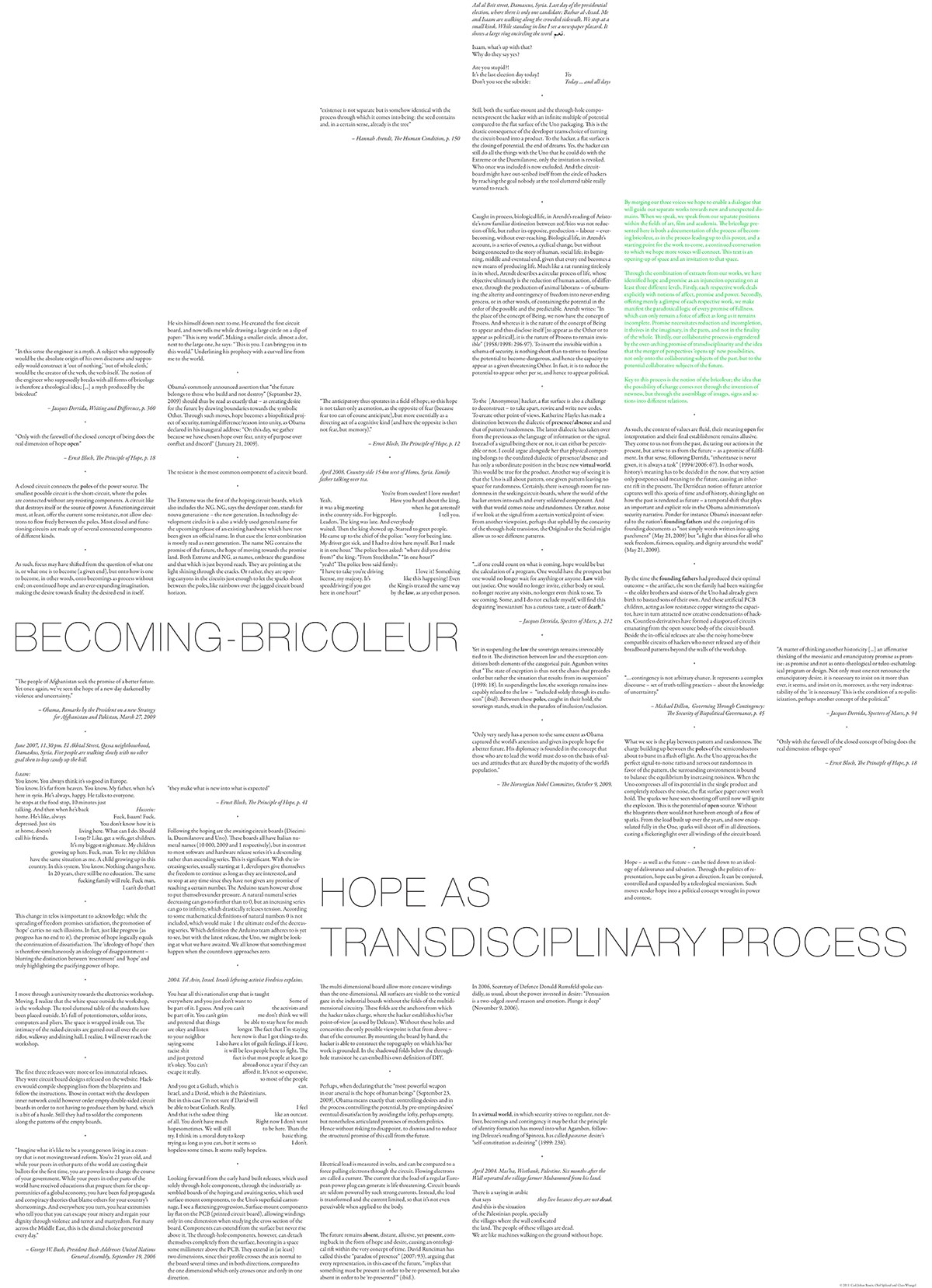
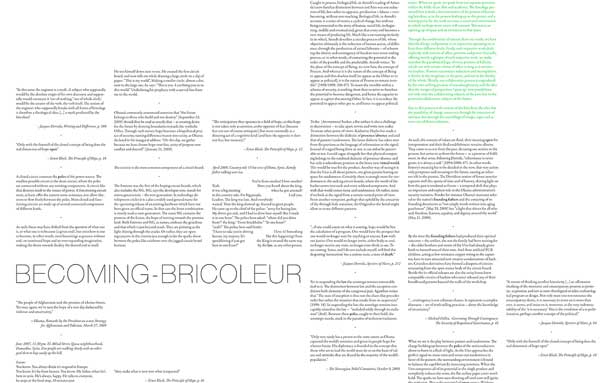
"Through the combination of extracts from our works, we have identified hope and promise as an injunction operating on at least three different levels. Firstly, each respective work deals explicitly with notions of affect, promise and power. Secondly, offering merely a glimpse of each respective work, we make manifest the paradoxical logic of every promise of fullness, which can only remain a force of affect as long as it remains incomplete. Promise necessitates reduction and incompletion, it thrives in the imaginary, in the parts, and not in the finality of the whole. Thirdly, our collaborative process is engendered by the over-arching promise of transdisciplinarity and the idea that the merger of perspectives ‘opens up’ new possibilities, not only onto the collaborating subjects of the past, but to the potential collaborative subjects of the future."
Conference poster
Key to this process is the notion of the bricoleur; the idea that the possibility of change comes not through the invention of newness, but through the assemblage of images, signs and actions into different relations.
Presented
− Popular Culture and World Politics 4, Rovaniemi. November 2011.
Arduino: från hackerutopi till gudomlig kommers →→
↓↓
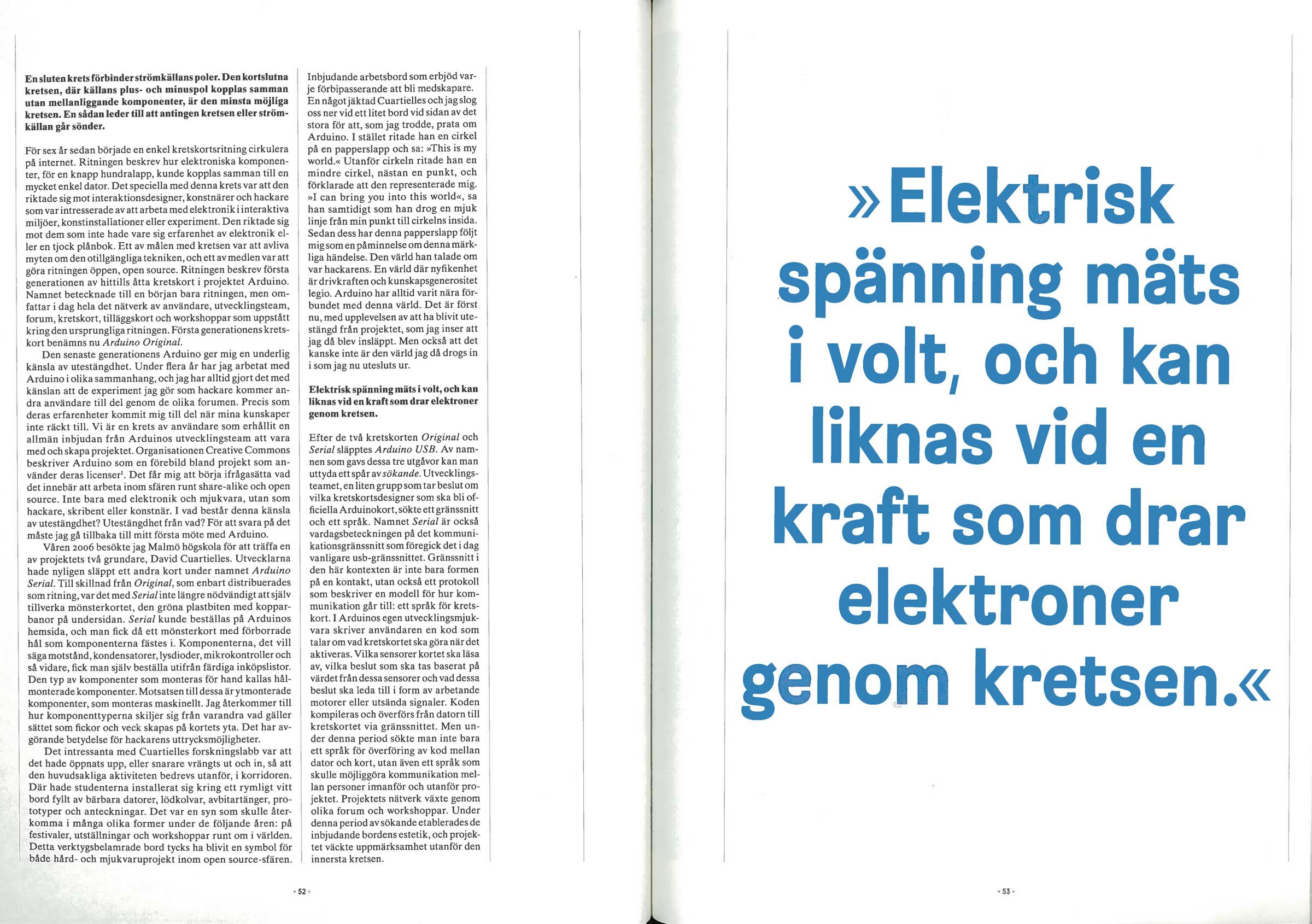

Essay on the dynamics of the open source, electronics project Arduino's
The article was published in the swedish art magazine Paletten.
No translation given →→
Computers and other software-based apparatuses belong to
The question approached in No translation given is what it means to communicate with this digital unit and how the communication changes the horizons of both parties. What amount of respect do humans owe this digital other before, after and during the process of interpretation of its experiences? I search for common grounds between a being who see the world through a keyboard, a wind-sensor or a stream of bits, and a being who sees the world through eyes, arms and natural language.


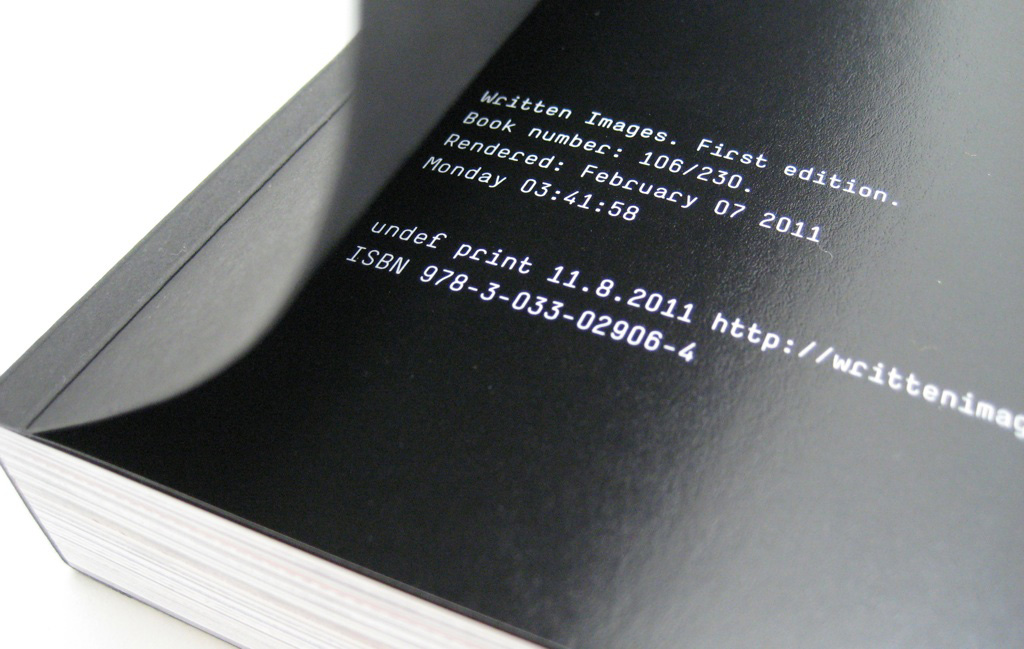

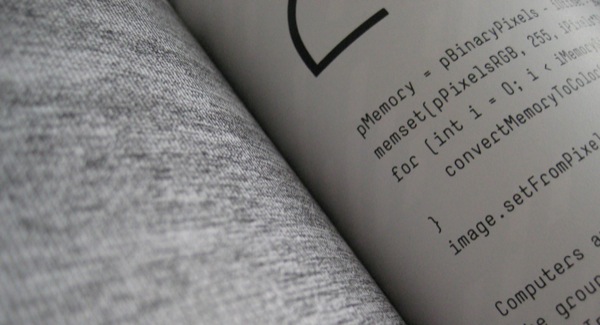
No translation given was selected to be part of the generative art anthology Written Images. The initiators describe the project as "a generative book that presents programmed images by various artists. Each print in process will be calculated individually – which makes every single book unique."
"Created in collaboration with more than 70 media artists and developers from across the world, Written Images is the first of its kind. A ‘programmed book’, continuously regenerated for the digital printing process, offering each reader a unique experience."
Tabell över uppfattade och beräknade siffror →→
↓↓
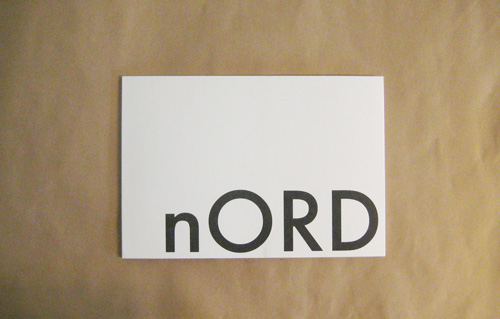

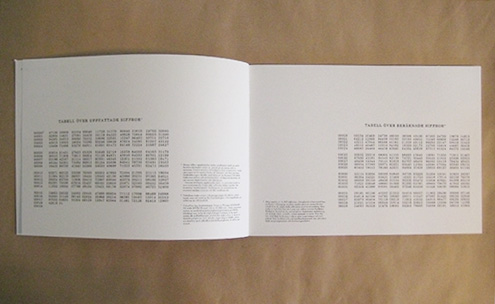
"Dessa siffror uppfattades under meditation intill en mobil bredbandsrouter under en period på en timma och tio minuter. Under samma tid laddades hela avsnitt åtta i tredje säsongen av tv-serien Game of Thrones ner från internet. Nedladdningen skedde med hjälp av en Huawei CPE B593. Siffrorna erfors och nedtecknades i en linjerad skrivbok, för att senare digitaliseras och tabelleras."
Övningen är ett försök att närma sig routern, som en digital enhet med speciell erfarenhet av att vara i världen.
nORD är en antologi över nordiska konstnärer sammanställd av Lise Haurum i samband med festivalen Sommer i nORD
Mer
Se mer i en högupplöst bild av uppslaget.
On digital beings →→
On digital beings was presented and published at the European Conference on Computing and Philosophy
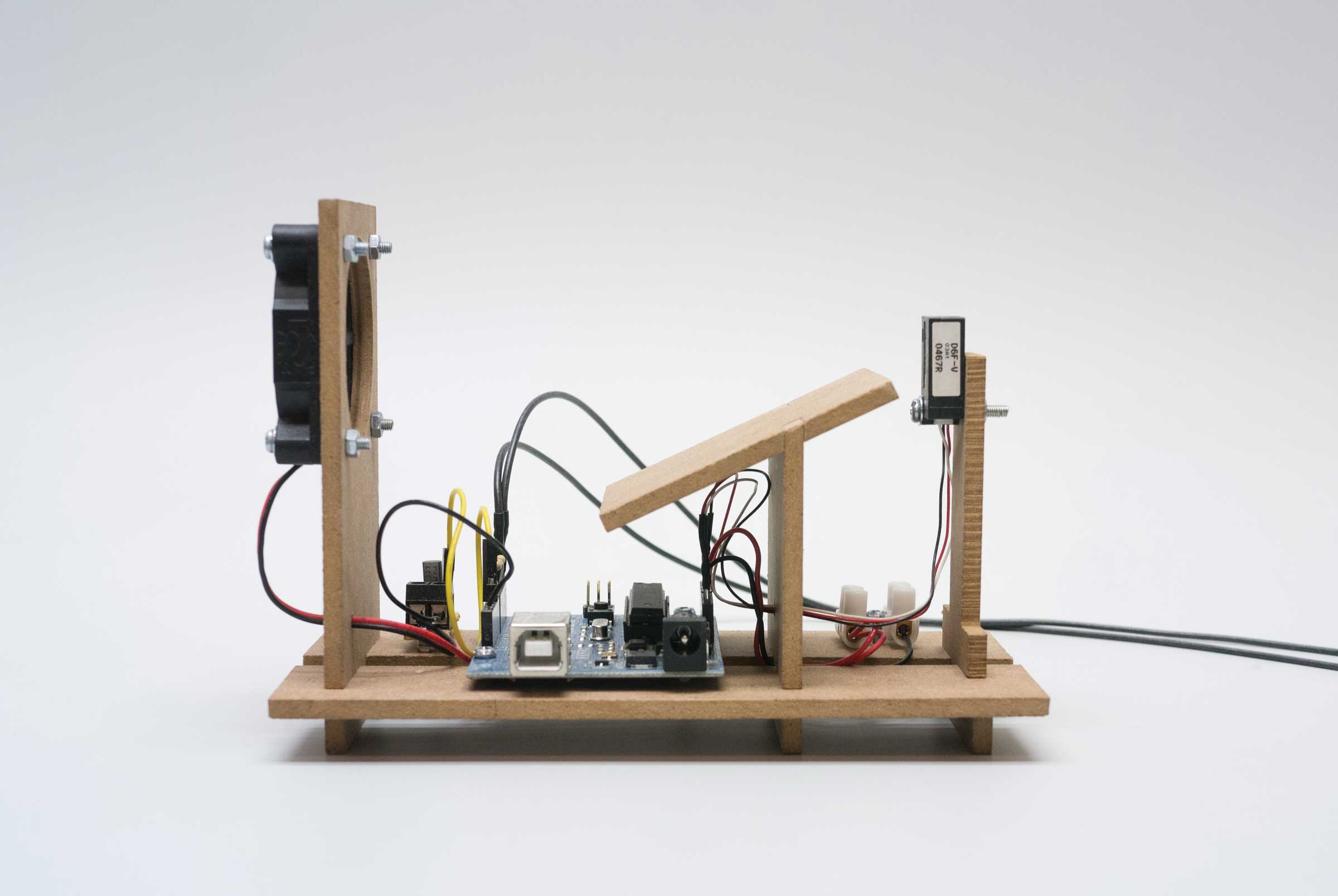
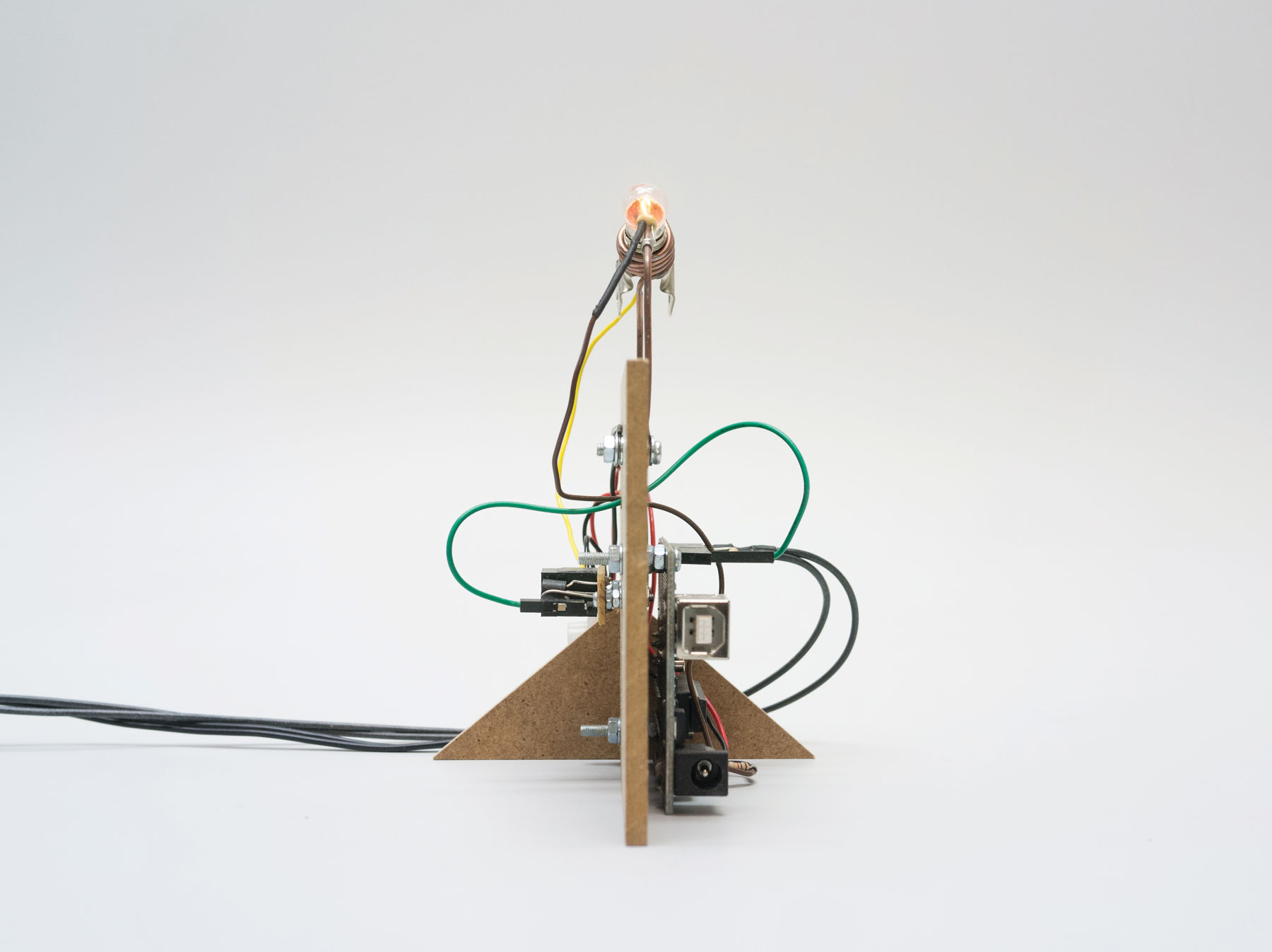
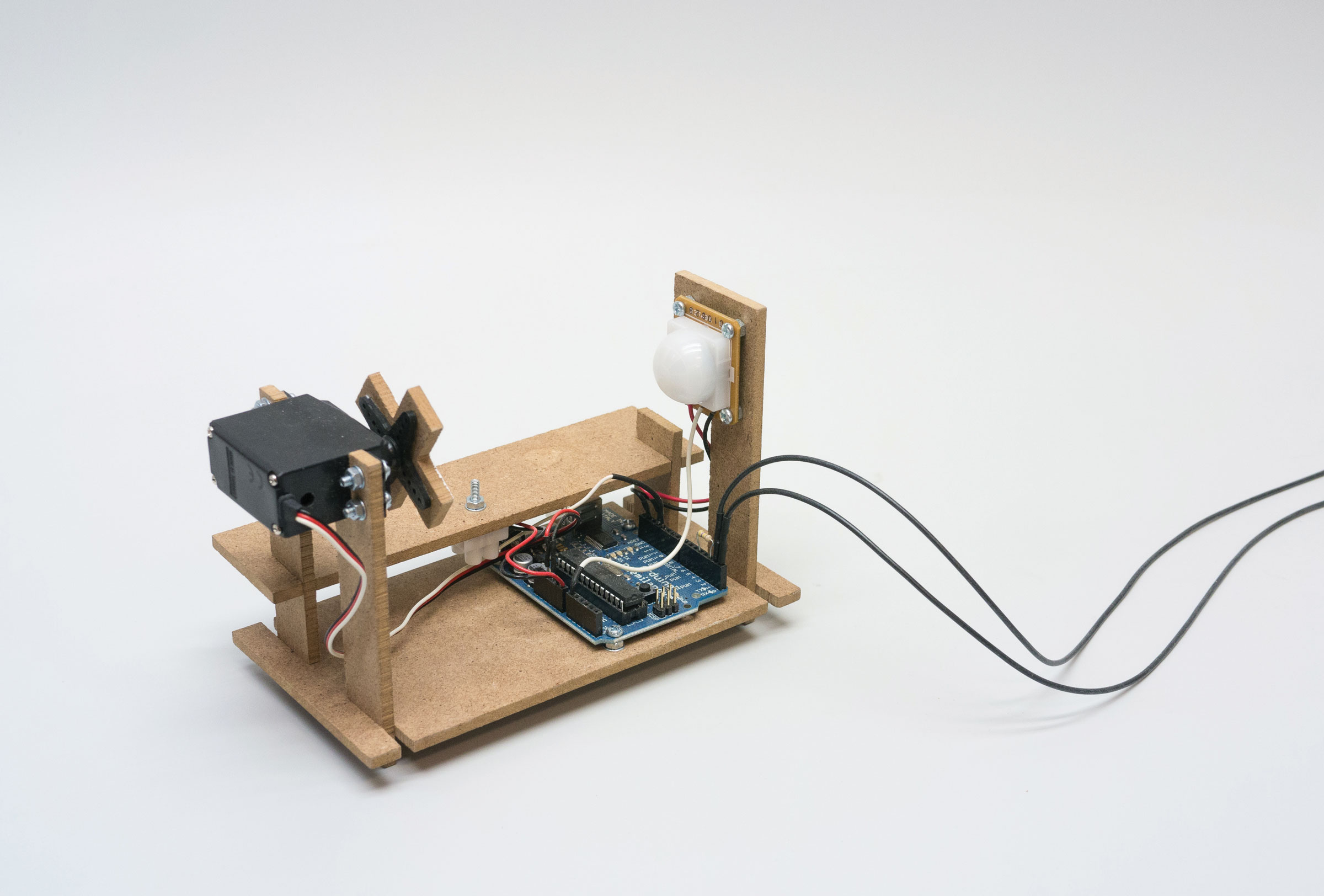
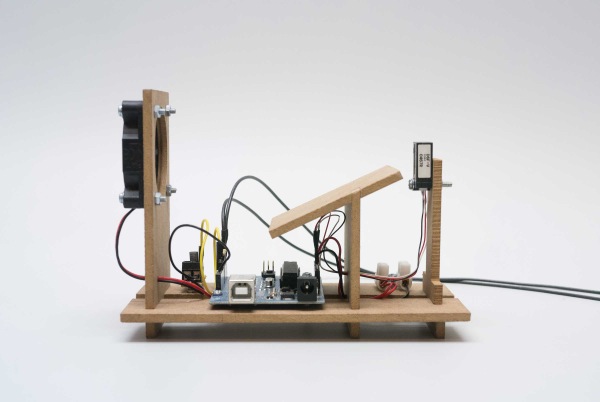
Three digital units were created in connection to this article, and also presented at the conference. Each unit has a sensor through which it registers the world (like a light or wind sensor), and an actuator through which it can act in the world (like a lamp or fan). What the unit register determines how it acts, and its action influences its perception of the world. This dependency between perception and action is controlled in a very simple algorithm, but even so the behaviors of the three units do appear complex due to influence of the environment.
On digital beings uses these three digital units
Presented
− thingWorld, International Triennial of New Media Art, National Art Museum of China, Beijing 2014.
− European Conference on Computing and Philosophy, TU München 2010.
Wood Process 1.0 →→
↓↓
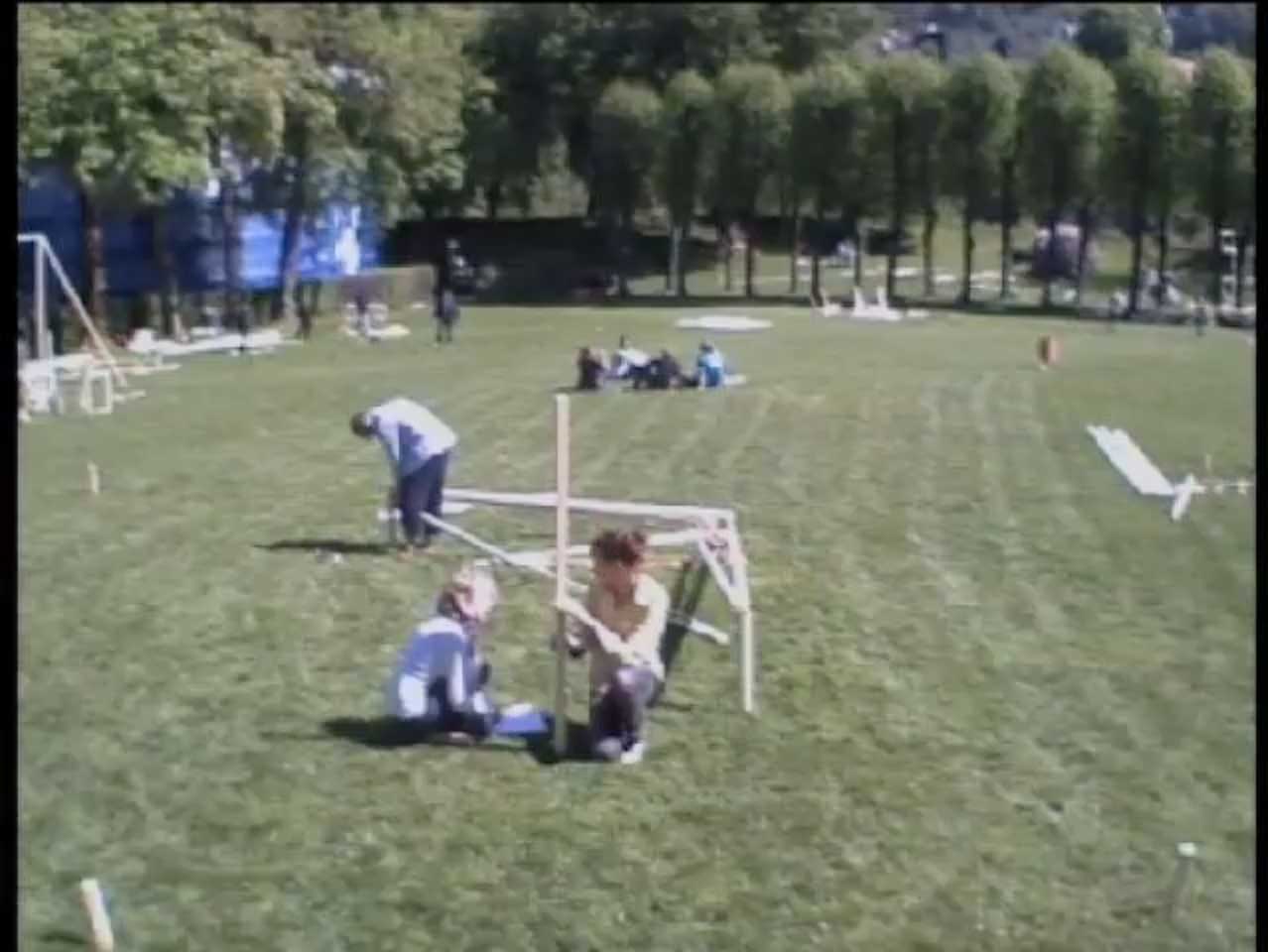
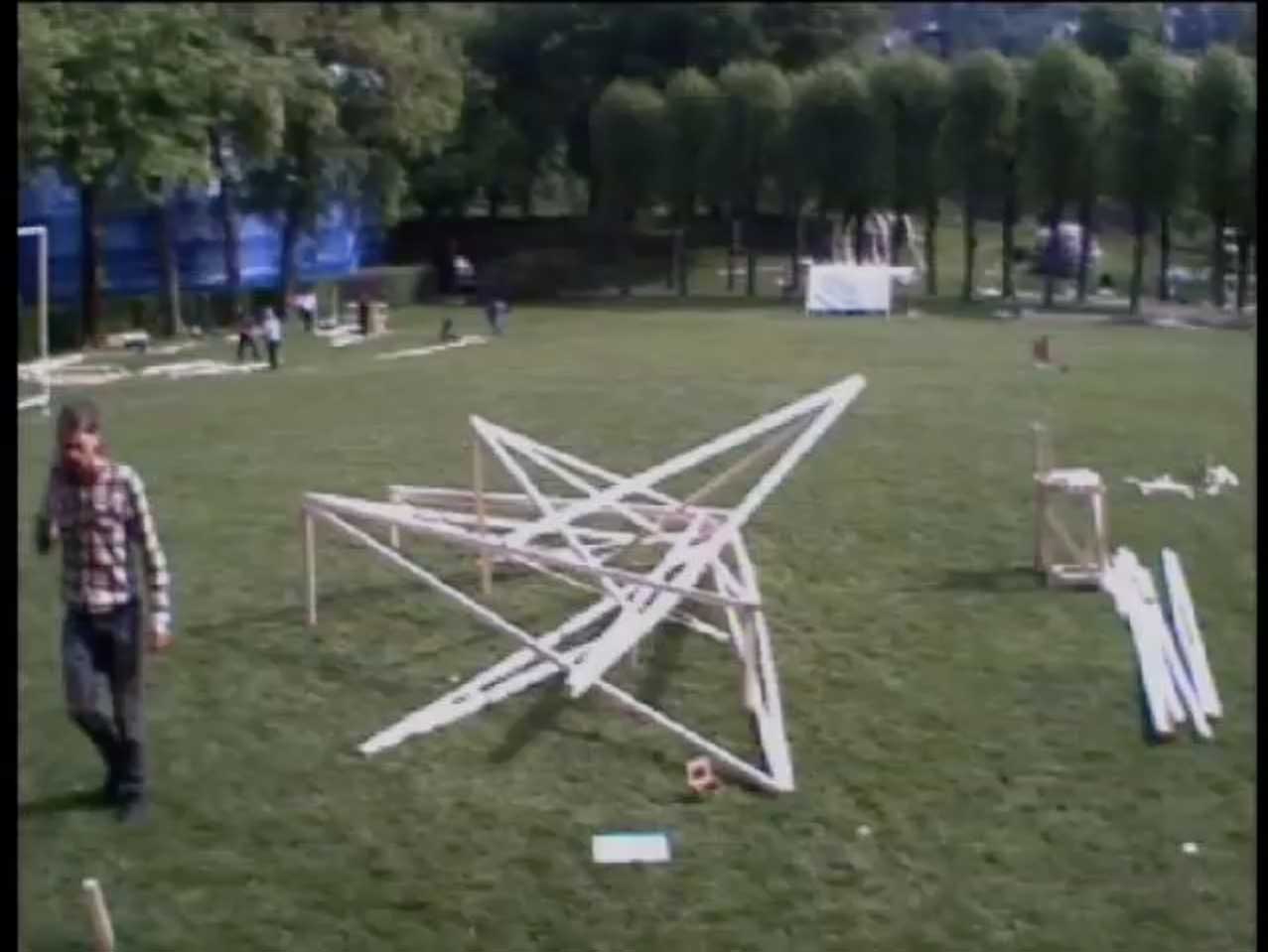
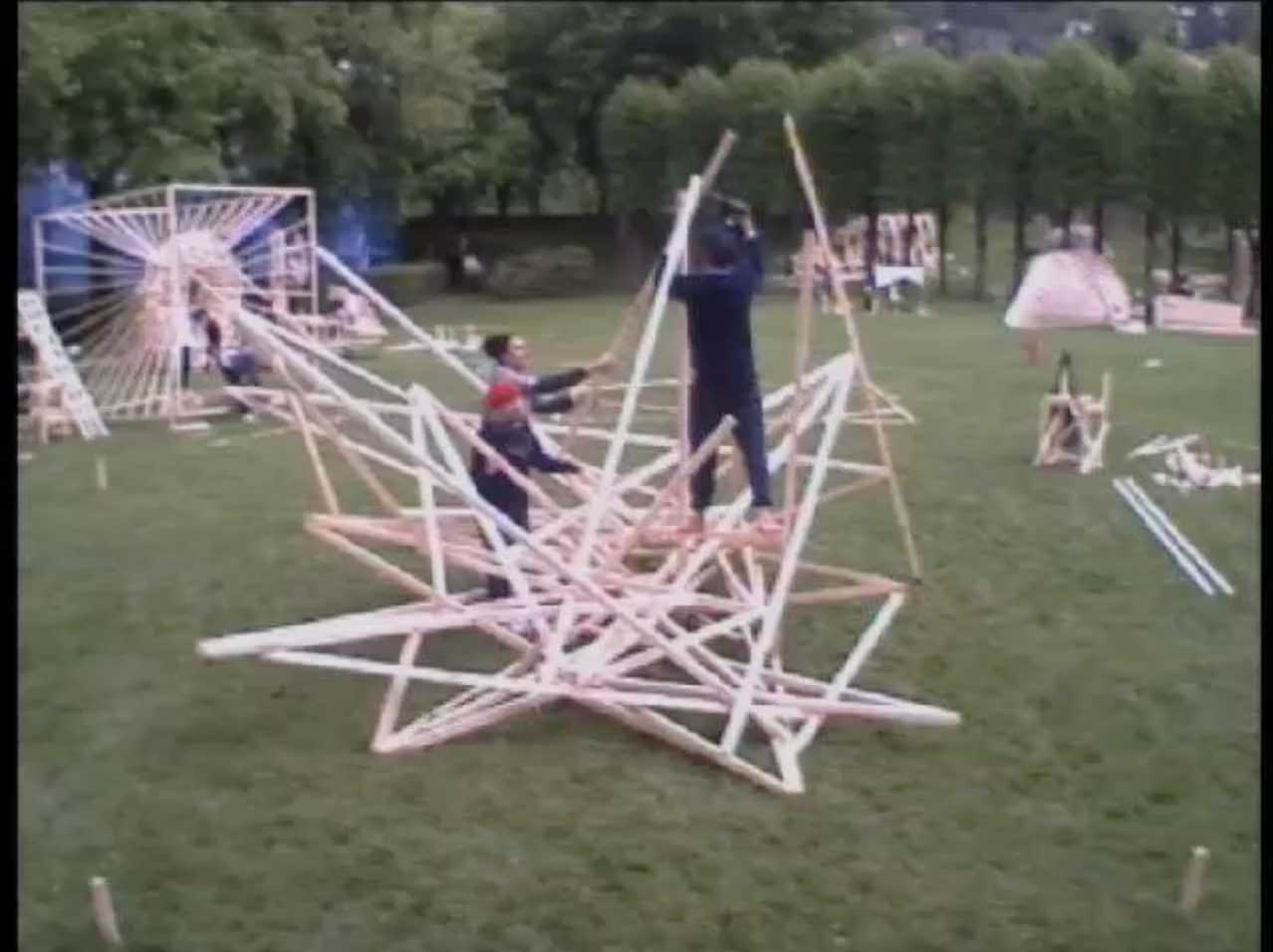
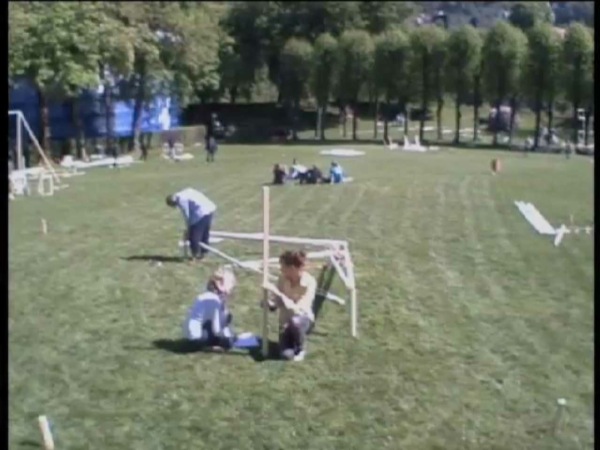
This generative wood sculpture was created during a four days workshop in Bergen.
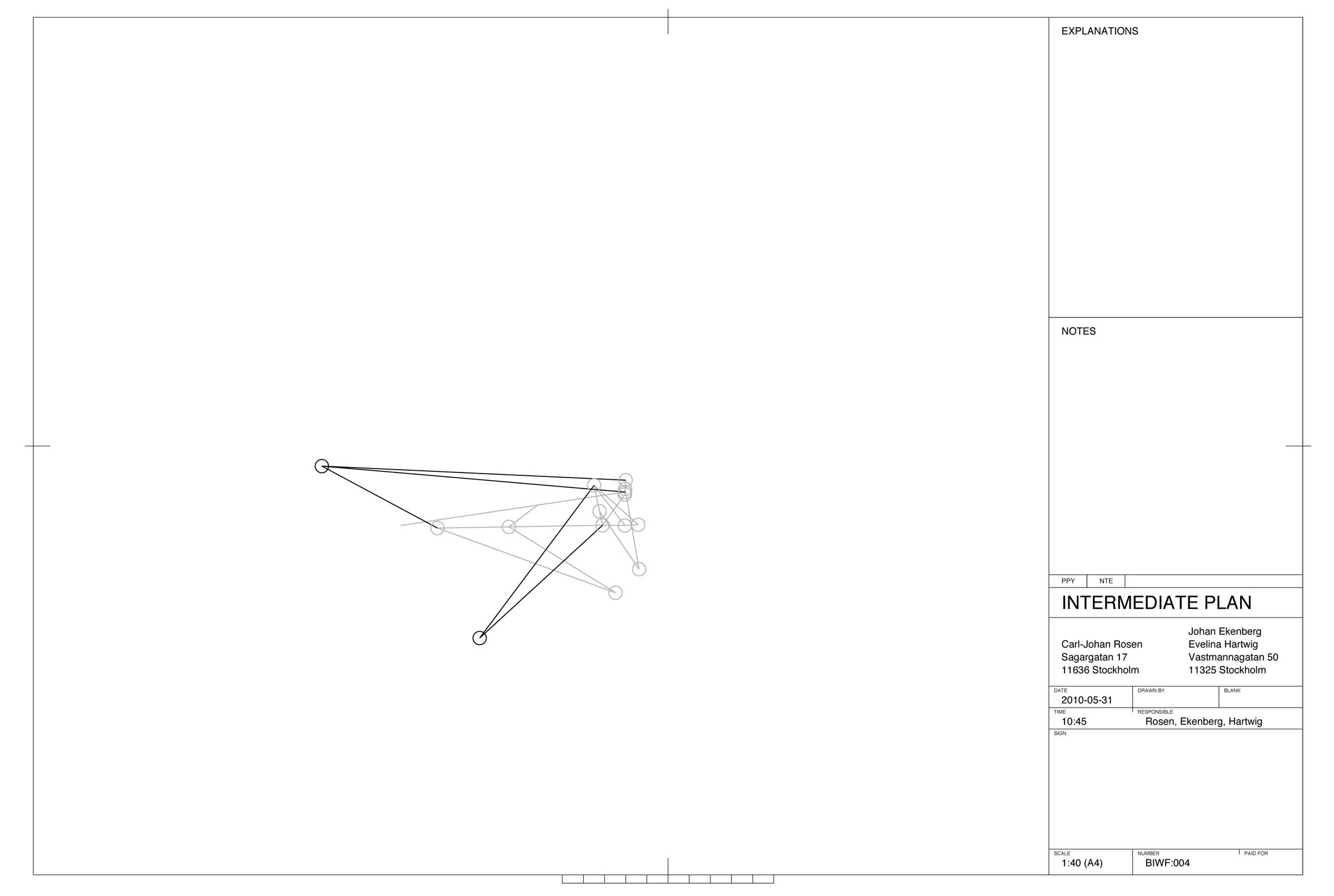
We believe this iterative and algorithmic method of design gives new perspectives on construction. Resulting in structures impossible for us to arrive at without the inherent interplay of chaos and order of the software. Through the twenty four generations of blueprints that we followed tightly over four days, we came to deeply understand the material (two-by-twos), as well as the software and the language of
More
For a complete documentation of the four day process with video and archive of generations, visit Wood Process 1.0 project website.
018:001 (Statistics) →→
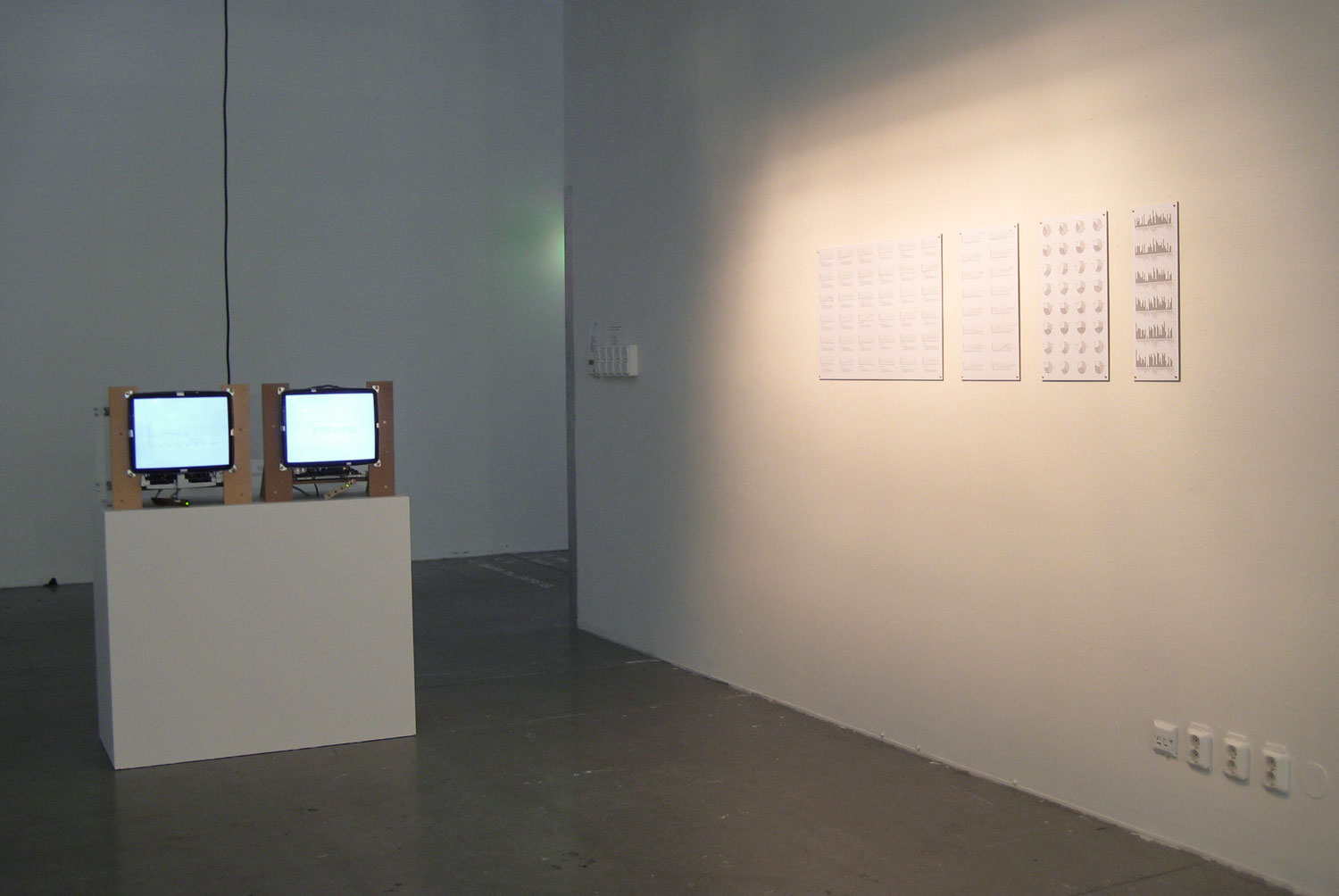
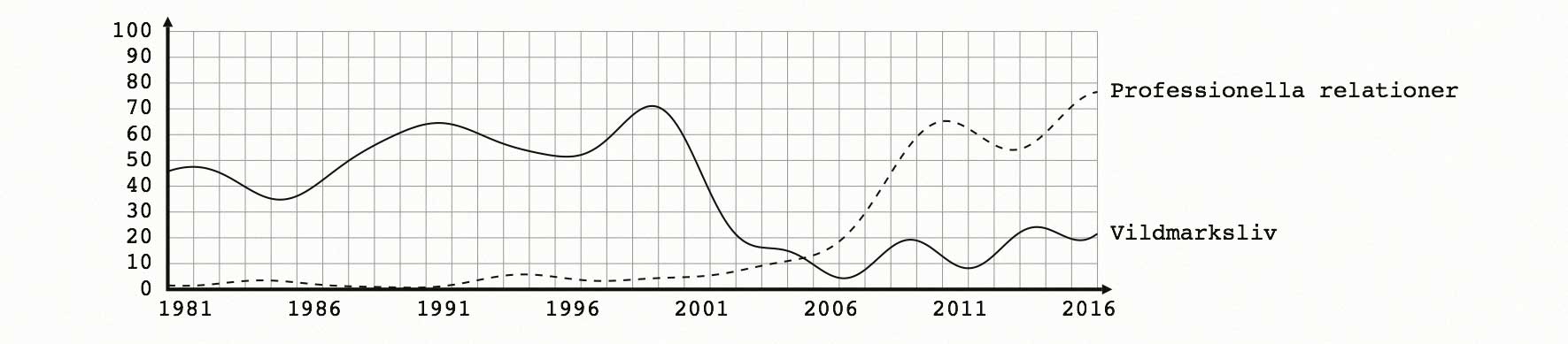
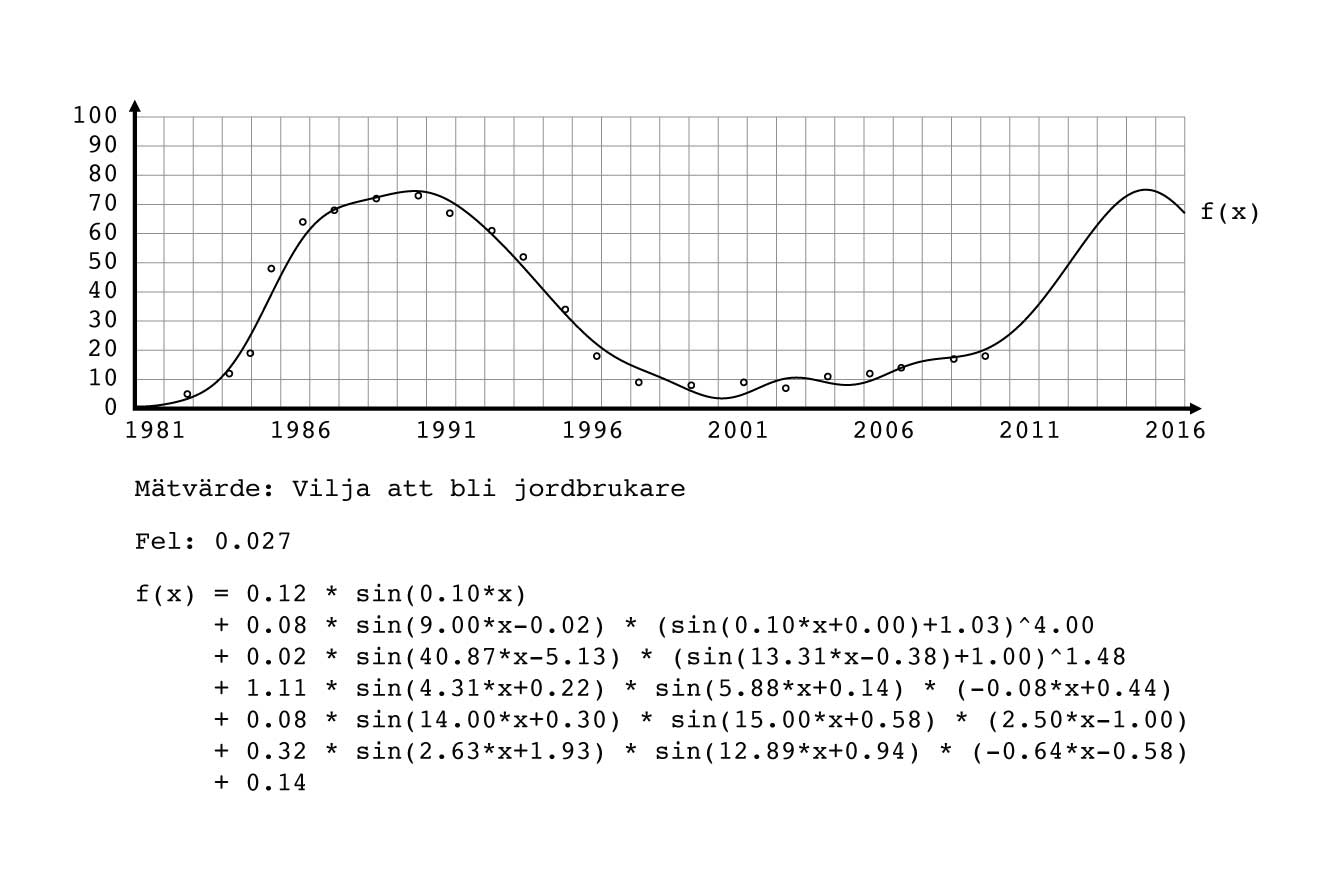
A heuristic algorithm was constructed to analyze facts/memories from a persons life. The algorithm finds mathematical equations describing fluctuations of thirty six selected values (hope, faith, longing, naivety ...) Through the equations, the method allows us to make predictions about the future. In this particular case until the year 2016.
Between the equations grew a wider picture of the future. Comparing the equations revealed correlations that appear surprising, but still plausible. The thirty six equations was interleaved in different second order representations in order to expose new points-of-view on the data set.
The analysis is presented both as animated documentation of the mathematical fitting algorithm, and as printed overviews of intersections between equations.

Who are you looking at, who's looking at you →→
↓↓

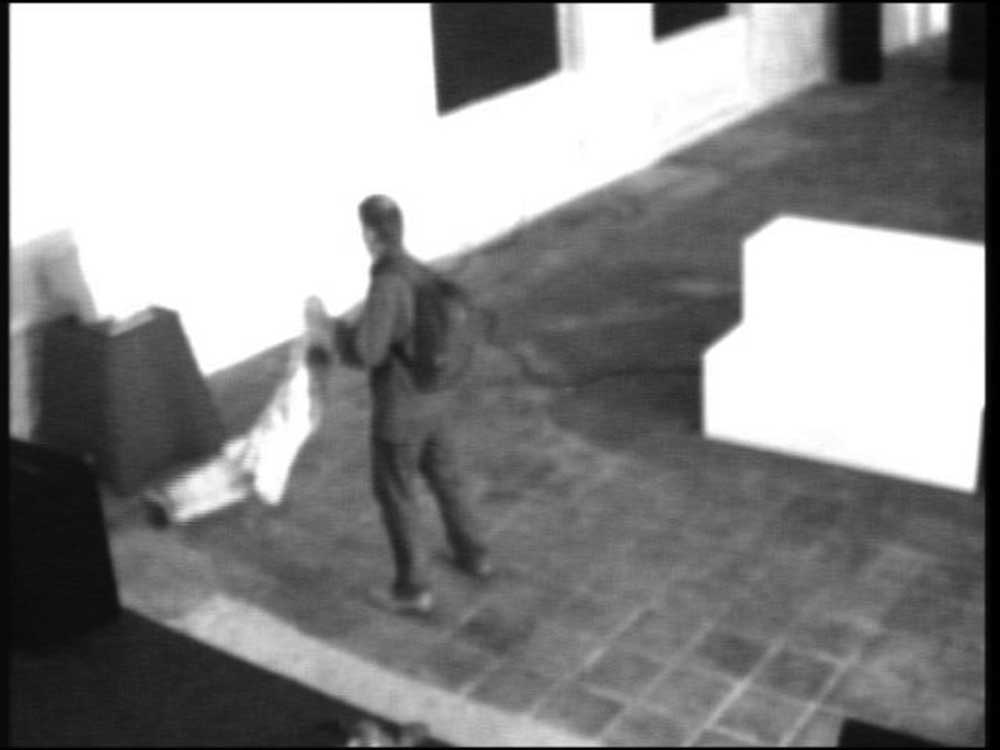
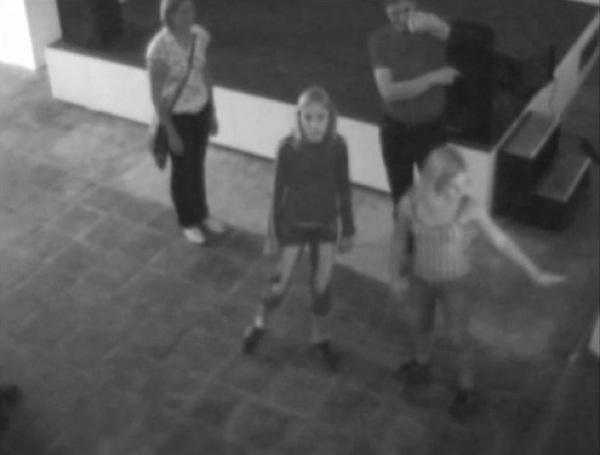
Who... is a live performance and an installation on the topic of surveillance. Several cameras installed in a space capture movement of individuals interacting. These movements are reanimated either by the performer or through computer analysis in a way that breaks linear time and highlights specific details of a motion. Individuals loose control of the representations of their bodies as the animated video is projected back into the space.
In 2009, this project was reworked and transformed into the dance performance Partners in Crime together with Diggapony.
The 2015 incarnation of this project was a collaboration with Adam Wittsell.
Presented (a selection)
− Celezte, Stockholm 2015.
− Way out west, Göteborg 2012.
− Mejan labs (Society), Stockholm 2010.
− Essential Existence Gallery, Leipzig 2009.
− Färgfabriken (OSC), Stockholm 2009.
− Norrköpings Konsthall, Norrköping 2008.
Predator →→
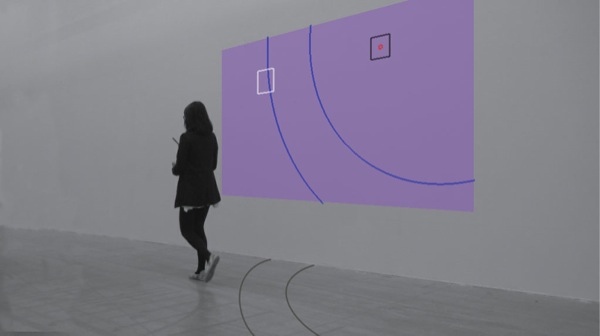
Predator is a minimal game/installation where the audience interact with an abstract actor. The audience are represented by white squares and the abstract actor by a black square. The black square is bound by a virtual leach, while trying to terminate all audience within its reach. Predator is study in virtual reality immersion; exploring the minimal connection between real life and the virtual.
Later, Predator has been used to exemplify the meeting point for humans and digital units, and the

Presented (a selection)
− Ars Electronica Festival, Linz 2006.
− Tekniska Museet, Malmö 2006.
− Media Lab Madrid (Interactivos), Madrid 2006.
Looking for bird overlooking depth →→
↓↓

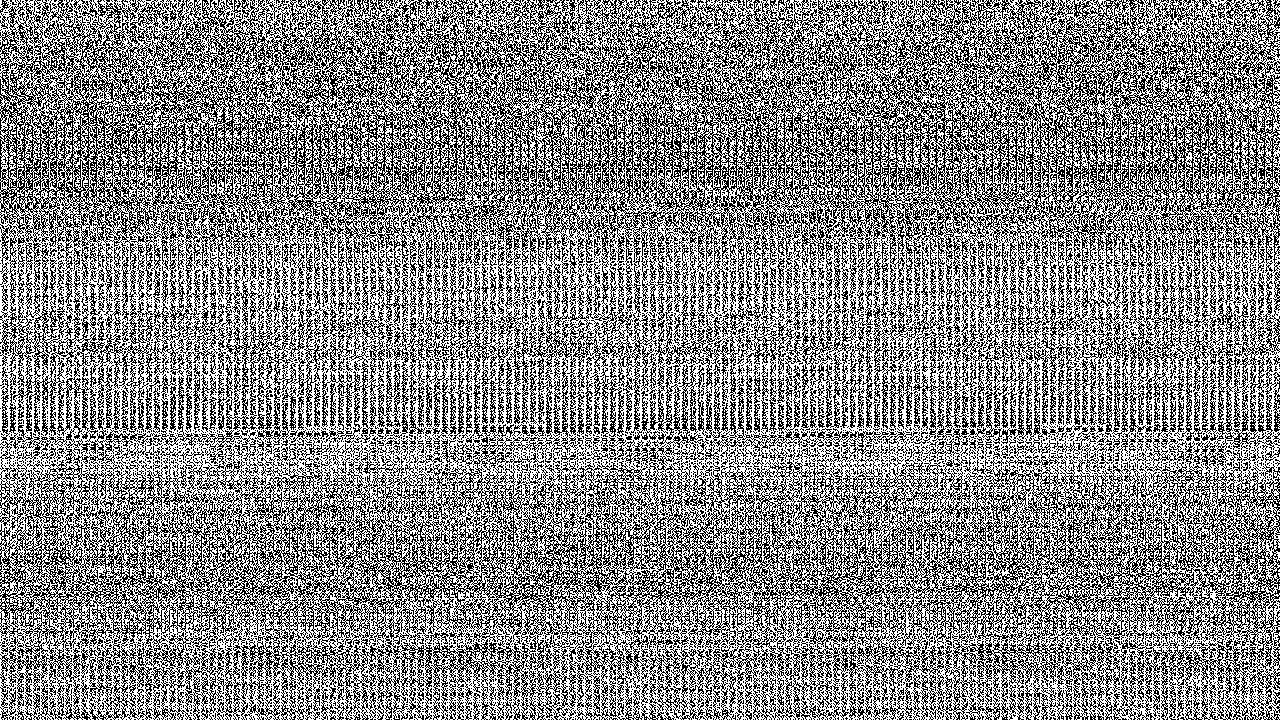

This short video
The birds in the video communicate their visions to the Canon Ixus’ digital sensor, and it to us. The camera sensor’s raw perceptions traces the choreography of flight and sound. Between sensors and feathers, the video tells us more about the nature of being a digital unit, than about being a bird or a caved in mine shaft.
Presented
− Mohsen Gallery (Tadaex), Tehran 2012.
− valeveil.se (Insensitive) 2011.
− Tomma rum, Malmberget 2011.
Saliga →→

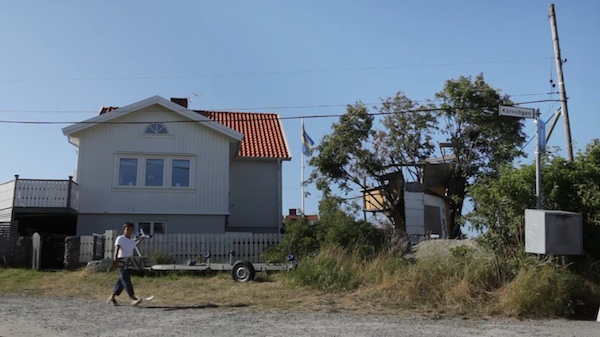
"Saliga observs a place that arises and disappears, and is a study of what it can be to believe. What is faith? What is a community? How is a common mental room created? For one week every summer, thousands of christians gather at Hönö in the Gothenburg archipelago, to sing, pray, study the Bible and be strengthened in their faith."
Saliga (Blessed) is a 17 minute short documentary by Cecilia Björk, in which I've been intensely involved as photographer, researcher and more.
Presented
− Saliga premiered at Göteborg International Film Festival 2014.
Köpa och sälja optioner (och derivat) →→
↓↓
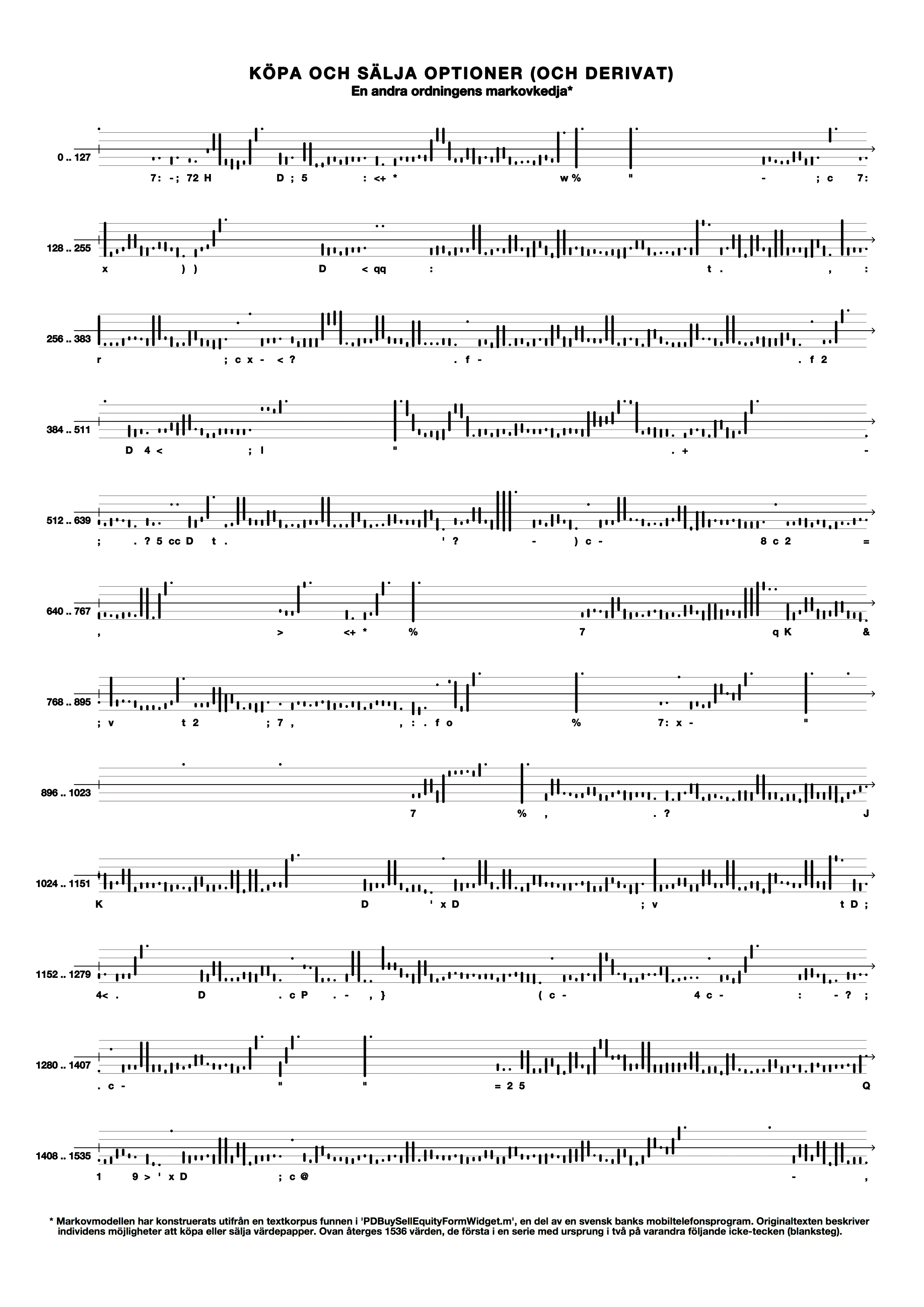
Score for the Great Learning Orchestra's a4-room project. Score is a second-order markov chain based on the source code for a mobile banking app.
The score has been performed and recorded by the orchestra for their show at Marabouparken. Listen to this and other scores at the archive.
Direktsändning från simbassängen →→
↓↓
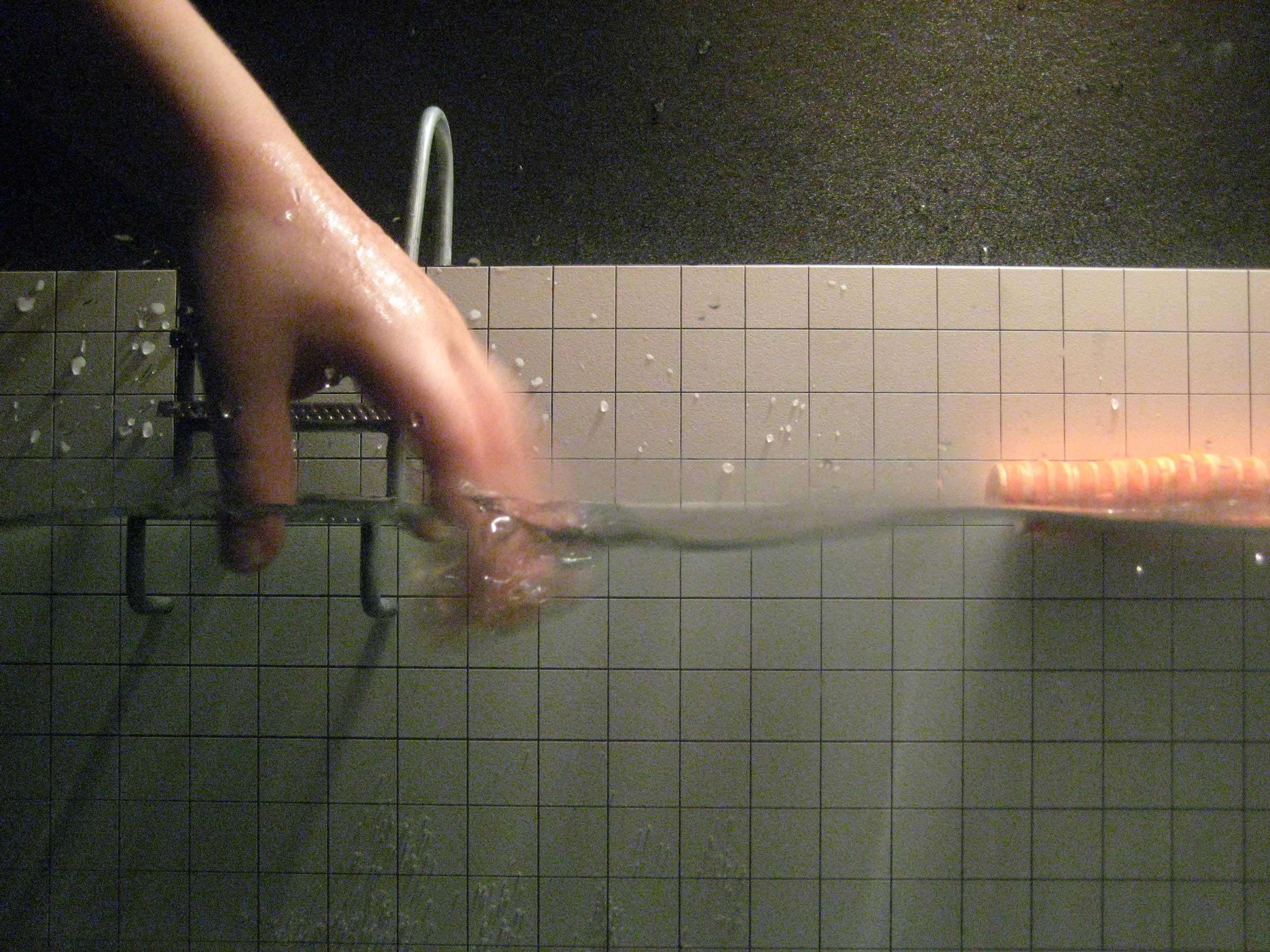
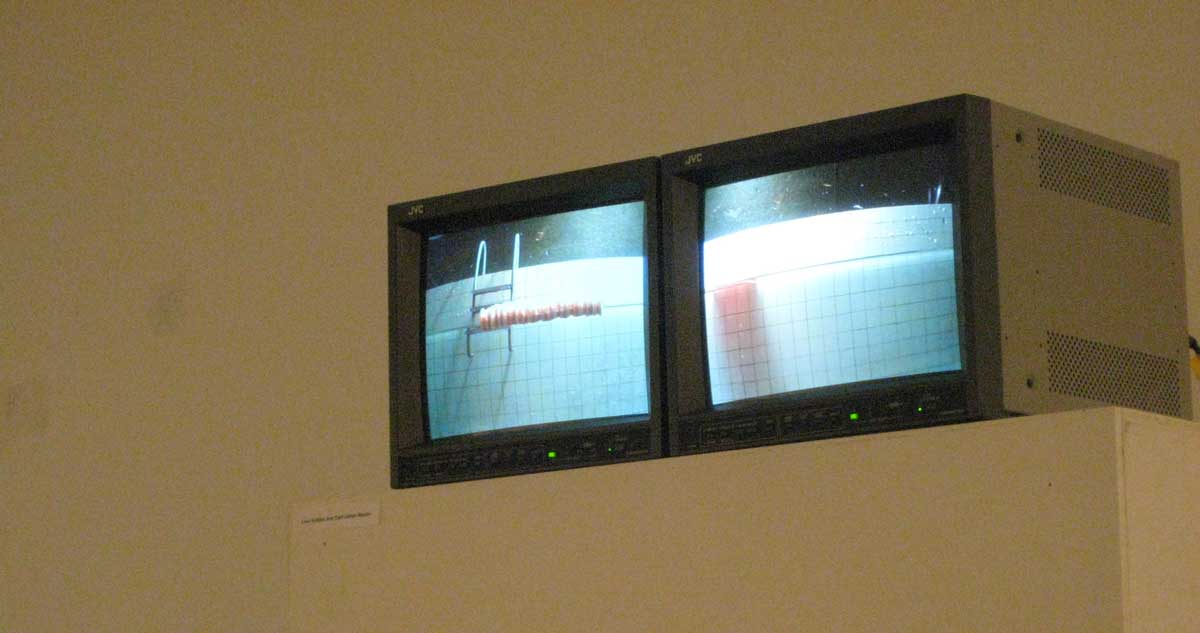
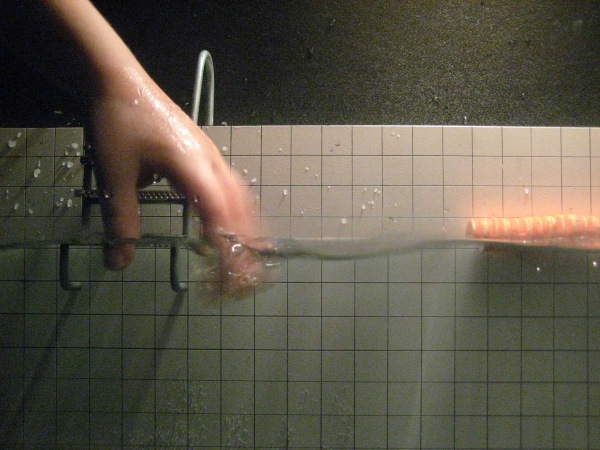
Till stöd för ockupationen av Aspuddsbadet i Stockholm anordnades en utställning av ett tiotal konstnärer. Direktsändning från simbassängen består av två delar: en simbassängsmodell placerad utanför gallerirummet och två monitorer placerade i gallerirummet. Monitorerna visar video direkt överförd från modellen. Verket är ett samarbete med Loui Kuhlau.
List of works →→
(in no particular order)
About →→
Carl-Johan Rosén works with digital units. He investigates what it means to exist as a digital body and as a software process, experiencing the world through electronic circuits and binary data flows. Work methods are synthesized from arts, engineering and academia, and the outcome varyingly presented as artworks, software and text. Carl-Johan lives in Stockholm, holds a MSc in media technology from Linköping university and a BA in fine arts from Konstfack.
Carl-Johan Rosén arbetar med digitala enheter. Han undersöker vad det innebär att existera som digital kropp och som mjukvaruprocess, upplevandes världen genom elektroniska kretsar och binära dataflöden. Konstnärliga, ingenjörsmässiga och akademiska arbetsmetoder syntetiseras och resultaten presenteras omväxlande som konst, mjukvara och text. Carl-Johan bor i Stockholm, har en civilingenjörsexamen i medieteknik från Linköpings universitet och en kandidatexamen i fri konst från Konstfack.
Contact →→
email: hello...carljohanrosen.com
phone: 0046 (0)739 973869
Presentations, by year →→
2018
− Robopoetics, http://robopoetics.com.
2016
− Omformateringar: det digitala i svensk litteratur och konst, Rönnells. Stockholm.
− At the Catastrophy-Point (release), Dome of Visions. Stockholm.
− Conversations with digital beings / Interactivos?. Media Lab Prado, Madrid.
2015
− Being Post-Digital / One design week. Plovdiv, Bulgaria.
− Celezte. Riddarholmen, Stockholm.
2014
− Digital Art Center, Kista.
− Thing World, Int. Triennial of New Media Art, National Art Museum of China, Beijing.
− Artoteket as travelling exhibition by Konstfrämjandet. Varberg and Karlstad.
− Artoteket på Tensta Museum, Tensta bibliotek, Stockholm.
2013
− Sommer i nORD, Saeby.
− Foxhole, Minibar artist space, Stockholm.
2012
− Way out west, Göteborg.
− Mohsen Gallery, Tehran.
− Konstfack (degree show), Stockholm.
− Paletten #4:2011-1:2012.
2011
− Popular Culture and World Politics IV, Rovaniemi.
− Insensitive, valeveil.se, online.
− Konstfack, Stockholm.
− Written Images (undef print).
2010
− European Conference on Computing and Philosophy, München.
− Imageine a Sculpture, Trädgården, Stockholm.
− Bergen International Wood Festival, Bergen.
− Mejan Labs Society, Stockholm.
− Emerging Entries, Konstfack, Stockholm.
2009
− Till minne av aspuddsbadet, Konstfack, Stockholm.
− Essential Existence Gallery, Leipzig.
− PrePPP, Dansens hus, Stockholm.
− OSC, Färgfabriken, Stockholm.
− New Media Meeting, Norrköping.
− Pixelache, Helsinki.
2008
− Interactive Institute 10yrs, Enskilda Galleriet, Stockholm.
− The Office, Stockholm.
− Sweat, Linköping.
− New Media Meeting, Norrköping.
− Ars Electronica Festival: A New Cultural Economy, Linz.
− Norrköping Konsthall, Norrköping.
2007
− Norrköping Konsthall, Norrköping.
2006
− New Media Meeting, Norrköping.
− Ars Electronica Festival: Simplicity, Linz.
− Implement!, Tekniska Museet, Malmö.
− Interactivos?, Media Lab Prado, Madrid.